The Treaty of Waitangi: A Turning Point in New Zealand’s History

mikephilipsforcongress.com – The Treaty of Waitangi, signed on February 6, 1840, is one of the most significant documents in New Zealand’s history. It marked the beginning of a formal relationship between the British Crown and the Māori people, establishing a foundation for governance in New Zealand and shaping the nation’s political and cultural landscape. The treaty, however, has been a source of contention, debate, and conflict over the years due to differences in interpretation and the subsequent treatment of Māori rights and land. This article explores the history, key provisions, controversies, and lasting impact of the Treaty of Waitangi on New Zealand society.

The Background: Māori and British Interests in New Zealand

In the early 19th century, New Zealand was inhabited by the Māori people, who had settled the islands over 1,000 years earlier. By the 1830s, New Zealand was becoming increasingly attractive to European settlers and traders, particularly the British, due to its natural resources and strategic location in the Pacific. The growing presence of Europeans, combined with escalating conflict among Māori tribes (iwi) and concerns over lawlessness, created a desire for formal governance and protection for both Māori and settlers.

In 1831, the Māori chiefs appealed to the British government for assistance in maintaining order and safeguarding their interests. In response, Captain William Hobson was dispatched by the British Crown to New Zealand to establish a treaty that would formalize the relationship between the Crown and the Māori people.

The Drafting of the Treaty

The Treaty of Waitangi was primarily drafted by British representatives in English, but Māori chiefs were involved in its creation and negotiation. Captain Hobson, who was appointed as the British consul, met with Māori leaders to secure their consent to British sovereignty over New Zealand while offering Māori protection and rights to their lands.

The treaty was composed of three main articles:

  1. Article One (Sovereignty): This article granted the British Crown sovereignty over New Zealand, allowing it to establish governance and law. However, the Māori version of the treaty used the word kawanatanga (governance), which has led to differing interpretations about the extent of British control.
  2. Article Two (Protection of Māori Rights): This article guaranteed the Māori people protection of their lands, villages, and taonga (treasures or possessions). It promised that Māori would retain ownership of their lands unless they chose to sell, and that they would be safeguarded by the Crown.
  3. Article Three (Rights of Māori as British Subjects): This article extended to the Māori people the same rights as British citizens, ensuring they would be treated with fairness and justice under the law.

While the treaty was presented to Māori chiefs for signing, it was not translated in a way that captured the full meaning of the English version. The Māori translation of the treaty used terms that were not easily understood or had different connotations, leading to confusion and differing expectations.

The Signing of the Treaty

On February 6, 1840, the first signing of the Treaty of Waitangi took place at the Bay of Islands in Northland. Over the next several months, more than 500 Māori chiefs from various iwi signed the treaty, although many others chose not to. The ceremony was not uniform across all regions, and it was common for Māori to sign individual copies of the treaty in their own regions.

The treaty was signed at a time when there was a considerable degree of Māori autonomy, and the chiefs who signed it did so with the expectation that their lands, culture, and rights would be respected. Many Māori believed that they were entering into an agreement that would allow them to retain authority over their land and culture, while benefiting from British protection and trade.

However, the differing interpretations of the treaty would later become a source of conflict, as the English and Māori versions did not align perfectly, and many Māori chiefs who signed the treaty had different expectations about the power dynamics it established.

The Impact of the Treaty on Māori and Settlers

In the years following the signing of the Treaty of Waitangi, the relationship between Māori and the British Crown began to deteriorate. Many Māori began to feel that the promises of the treaty were not being honored. In particular, the acquisition of Māori land by the Crown and European settlers became a major point of contention.

While the treaty promised protection of Māori land rights, large amounts of land were acquired through questionable means, including dubious purchases and government policies that undermined Māori ownership. The rise of settler colonialism and the establishment of British legal and political systems marginalized Māori authority and culture, leading to significant loss of land, resources, and sovereignty.

In the late 19th century, the New Zealand Wars (1845–1872) broke out between Māori tribes and the British military, primarily over the loss of land and the erosion of Māori autonomy. These conflicts were fueled by the perceived breach of the Treaty of Waitangi and the exploitation of Māori resources by settlers.

The Treaty and Its Legal Status

For many years, the Treaty of Waitangi was not regarded as a legally binding document in New Zealand. It was largely viewed as a political agreement, and its terms were frequently ignored in favor of settler interests. As a result, Māori grievances regarding land loss, cultural suppression, and breaches of the treaty went largely unaddressed by the government.

It was not until the mid-20th century that the treaty began to regain prominence in New Zealand’s political and legal discourse. The establishment of the Waitangi Tribunal in 1975 marked a turning point in the recognition of Māori rights and the Treaty of Waitangi’s legal status. The tribunal was set up to investigate claims by Māori people that the treaty had been breached and to recommend remedies for the injustices that had occurred.

Since then, the Treaty of Waitangi has played an increasingly important role in New Zealand’s legal and political landscape. In 1987, the New Zealand Court of Appeal ruled that the Treaty of Waitangi must be considered in the interpretation of laws, and in 1990, the government formally recognized the treaty as a foundational document in New Zealand’s constitution.

Treaty Settlements and the Ongoing Struggle for Māori Rights

In recent decades, the New Zealand government has undertaken a process of treaty settlements with Māori iwi to address historical grievances and compensate for land losses. These settlements involve financial compensation, the return of land, and formal apologies from the Crown. While these settlements have been significant, they have not fully resolved the tensions surrounding the Treaty of Waitangi, and many Māori continue to seek further recognition of their rights and culture.

The Treaty of Waitangi remains a symbol of Māori resistance and a rallying point for Māori activism, especially in areas related to land, language, and sovereignty. Māori activists have pushed for greater autonomy and for the Crown to honor the treaty’s promises fully, advocating for policies that respect the principles of partnership, protection, and participation outlined in the treaty.

Conclusion

The Treaty of Waitangi is a cornerstone of New Zealand’s history, representing both a promise and a point of contention. Signed over 180 years ago, the treaty laid the foundation for the relationship between Māori and the British Crown, but it has also been the source of ongoing debate, conflict, and reconciliation. While much progress has been made in addressing Māori grievances and honoring the treaty’s principles, the journey toward a fully just and equitable partnership continues. The Treaty of Waitangi remains a powerful symbol of New Zealand’s commitment to recognizing the rights of its Indigenous people and fostering a more inclusive and fair society.

The Cali Fair: A Salsa-Filled Celebration – A Symphony of Salsa

mikephilipsforcongress.com – The Cali Fair, or Feria de Cali, is one of Colombia’s most vibrant and beloved cultural celebrations. Held annually from December 25th to 30th, this six-day extravaganza immerses visitors in a whirlwind of music, dance, food, and tradition. With its infectious rhythms, colorful parades, and passionate crowds, the Cali Fair is a testament to the city’s rich cultural heritage and its status as the “World Capital of Salsa.”   

A Symphony of Salsa

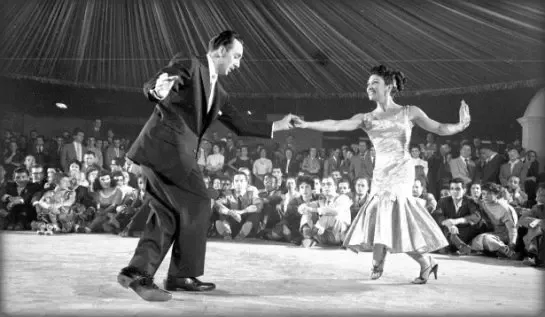
At the heart of the Cali Fair is the celebration of salsa music. The streets of Cali come alive with the pulsating beats of this iconic dance style, as locals and visitors alike take to the dance floor. The Salsódromo, a massive parade featuring thousands of dancers in elaborate costumes, is a highlight of the festival. This dazzling spectacle showcases the diversity and creativity of salsa dance, captivating audiences with its energetic performances and vibrant atmosphere.   

Beyond Salsa: A Cultural Extravaganza

While salsa is undoubtedly the star of the show, the Cali Fair offers a diverse range of cultural experiences. The fairgrounds are filled with colorful exhibitions, art installations, and traditional crafts. Visitors can sample delicious local cuisine, from savory street food to gourmet delicacies. There are also thrilling bullfights, horse races, and beauty pageants, catering to a wide range of interests.   

A Festive Atmosphere

The Cali Fair is not just a cultural event; it’s a social gathering that brings people together. The festive atmosphere is contagious, and the city’s streets are filled with joy and excitement. People from all walks of life come together to celebrate, dance, and make new friends. The fairgrounds are transformed into a vibrant carnival, with music, laughter, and the intoxicating aroma of delicious food filling the air.

A Legacy of Tradition

The Cali Fair has a rich history that dates back to the mid-20th century. It was originally conceived as a way to boost the city’s economy and promote its cultural identity. Over the years, the fair has evolved into a major international event, attracting tourists from around the world. The festival’s enduring popularity is a testament to its ability to capture the essence of Colombian culture and provide a truly unforgettable experience.

Chaco: A Land of Contrast and Resilience

mikephilipsforcongress.com – Chaco, a province nestled in northeastern Argentina, is a land of stark contrasts. It boasts vast, verdant plains, dense forests, and arid scrublands. This diverse landscape is home to a rich tapestry of cultures, including indigenous communities, European settlers, and their descendants.   

The Enigmatic Chaco Boreal

The Chaco Boreal, a vast, semi-arid region, dominates the western part of the province. This unique ecosystem is characterized by its thorny scrubland, home to a variety of wildlife, including jaguars, ocelots, and numerous bird species. The region is also known for its indigenous communities, such as the Qom and Wichí, who have inhabited the land for centuries.   

The Fertile Plains

In contrast to the arid Chaco Boreal, the eastern part of the province is characterized by fertile plains, ideal for agriculture and livestock farming. The Paraná River, one of South America’s major waterways, flows along the eastern border, providing transportation and irrigation. The city of Resistencia, the provincial capital, is a bustling urban center located on the banks of the Paraná.   

A Rich Cultural Heritage

Chaco’s cultural heritage is a fascinating blend of indigenous and European traditions. The province is home to numerous indigenous communities, each with its own unique language, customs, and beliefs. The Qom and Wichí, in particular, have made significant contributions to the region’s cultural landscape, including their traditional crafts, music, and dance.   

The Impact of History

The history of Chaco is marked by periods of conflict and transformation. The region was once a battleground between indigenous tribes, Spanish conquistadors, and Argentine settlers. The Chaco War, a bloody conflict between Bolivia and Paraguay in the 1930s, had a profound impact on the region. Despite these challenges, Chaco has emerged as a resilient and dynamic province.   

A Sustainable Future

In recent years, Chaco has been working to promote sustainable development and environmental conservation. Efforts are underway to protect the province’s biodiversity, reduce deforestation, and promote sustainable agriculture. The province is also investing in renewable energy sources, such as solar and wind power, to reduce its reliance on fossil fuels.   

A Hidden Gem

Chaco, with its diverse landscapes, rich cultural heritage, and resilient spirit, is a hidden gem waiting to be discovered. Whether you are interested in exploring the wilderness, learning about indigenous cultures, or simply relaxing by the river, Chaco has something to offer everyone.

Braga: A City of Pilgrimage and History

mikephilipsforcongress.com – Braga, a captivating city nestled in the Minho region of northern Portugal, is a fascinating blend of history, culture, and spirituality. Often referred to as the “Portuguese Rome” due to its numerous churches and religious sites, Braga offers a unique experience for visitors.

A Glimpse into History

Braga’s history dates back to Roman times, when it was known as Bracara Augusta. The city’s strategic location and rich cultural heritage have made it a significant player throughout the centuries. During the Middle Ages, Braga emerged as a major religious center, attracting pilgrims from across Europe.

Exploring Braga’s Religious Sites

  • Bom Jesus do Monte: A UNESCO World Heritage Site, this pilgrimage site is renowned for its Baroque staircase adorned with religious statues and fountains. The sanctuary at the top offers stunning panoramic views of the city and surrounding countryside.
  • Sé de Braga: This magnificent cathedral, dating back to the 11th century, is one of the oldest in Portugal. Its Romanesque architecture and intricate carvings are a testament to the city’s rich history.
  • Sanctuary of Sameiro: This popular pilgrimage site is located on a hilltop overlooking the city. The sanctuary’s neoclassical architecture and serene atmosphere attract thousands of visitors each year.

A City of Contrasts

Braga is a city of contrasts, combining ancient traditions with modern amenities. The historic center, with its narrow cobblestone streets and charming plazas, offers a glimpse into the past. Meanwhile, the university district, with its vibrant nightlife and trendy cafes, caters to a younger crowd.

The Minho Region’s Culinary Delights

Braga is the gateway to the Minho region, renowned for its delicious cuisine. Local specialties include caldo verde (a hearty green soup), bacalhau à Braga (a codfish dish), and vinho verde (green wine).

A Cultural Experience

Braga hosts a variety of cultural events throughout the year, including music festivals, art exhibitions, and religious processions. The city’s annual festival, the Festa do Senhor de Matosinhos, is a highlight of the cultural calendar, featuring colorful parades, traditional music, and delicious food.

A Peaceful Retreat

Beyond its historical and cultural significance, Braga offers a peaceful retreat for those seeking tranquility. The city’s parks and gardens provide serene spaces to relax and enjoy the natural beauty of the region.

Bacău: A Hidden Gem in Northeastern Romania

mikephilipsforcongress.com – Bacău, a city nestled in the heart of Northeastern Romania, is a captivating blend of history, culture, and natural beauty. Often overlooked by tourists, this charming city offers a unique experience for those seeking an authentic Romanian adventure.

A Glimpse into History

Bacău’s history dates back to the 14th century, when it was first mentioned in historical documents. The city has played a significant role in Romanian history, particularly during the 19th-century Romanian Revolution. Today, visitors can explore the city’s rich past by visiting historical landmarks such as the Ascension Cathedral, a stunning Orthodox church with beautiful frescoes and intricate architecture.   

Natural Beauty

Bacău is surrounded by breathtaking natural landscapes, including the Carpathian Mountains and the Siret River Valley. The city is an ideal starting point for outdoor enthusiasts who enjoy hiking, camping, and fishing. The nearby forests offer a variety of trails for hikers of all levels, while the river provides opportunities for kayaking, canoeing, and swimming.   

Cultural Experiences

Bacău boasts a vibrant cultural scene, with a variety of museums, theaters, and art galleries. The Bacău County Museum houses a diverse collection of artifacts, including archaeological finds, historical documents, and works of art. The city also hosts several cultural events throughout the year, such as music festivals, theater performances, and art exhibitions.   

Local Cuisine

Romanian cuisine is known for its hearty flavors and fresh ingredients. Bacău offers a variety of traditional Romanian dishes, including sarmale (cabbage rolls), ciorbă (sour soup), and mititei (grilled meat skewers). Visitors can also sample local wines and spirits, such as țuică and palincă.   

A Warm Welcome

Bacău is a welcoming city with friendly locals. Visitors will find a warm and hospitable atmosphere, making it an ideal destination for a relaxing and enjoyable vacation.

In Conclusion

Bacău is a hidden gem in Northeastern Romania, offering a unique blend of history, culture, and natural beauty. Whether you’re interested in exploring historical landmarks, enjoying outdoor activities, or immersing yourself in Romanian culture, Bacău has something to offer everyone.

Kraków Film Festival: A Cinematic Journey Through Time

mikephilipsforcongress.com – The Kraków Film Festival, a prestigious event held annually in the heart of Poland’s historic city of Kraków, has solidified its position as one of the most significant film festivals in Central and Eastern Europe. This cinematic extravaganza offers a diverse selection of films, from Polish productions to international masterpieces, captivating audiences with its unique blend of art, culture, and entertainment.

A Rich History and Cultural Significance

The Kraków Film Festival traces its origins back to the 1960s, when it began as a modest event focused on Polish cinema. Over the decades, the festival has evolved into a major international platform, attracting filmmakers, critics, and cinephiles from around the globe.

Kraków, with its stunning medieval architecture and vibrant cultural scene, provides an idyllic backdrop for the festival. The city’s historic venues, such as the Kino Kijów and the Stary Kleparz Market Square, host screenings, workshops, and industry events, creating a unique atmosphere for film enthusiasts.

A Diverse Program and International Focus

The Kraków Film Festival offers a diverse program that caters to a wide range of cinematic tastes. The festival showcases a variety of genres, including drama, comedy, documentary, and experimental film.

One of the festival’s key strengths is its focus on international cinema. It presents a curated selection of films from around the world, highlighting emerging talents and established filmmakers. The festival’s international competitions recognize outstanding achievements in various categories, such as Best Director, Best Actor, and Best Actress.

Celebrating Polish Cinema

While the festival embraces international cinema, it also celebrates the rich heritage of Polish filmmaking. The Polish Film section showcases the latest productions from Polish directors, offering a glimpse into the country’s dynamic film industry.

The festival often honors legendary Polish filmmakers and organizes retrospective screenings of their work, paying tribute to their contributions to the world of cinema.

Industry Events and Networking Opportunities

The Kraków Film Festival is not only a platform for film screenings but also a hub for industry professionals. The festival hosts a variety of industry events, including workshops, masterclasses, and networking sessions. These events provide opportunities for filmmakers, producers, and distributors to connect, collaborate, and explore new business opportunities.

A Cultural Experience Beyond Cinema

The Kraków Film Festival is more than just a film event; it’s a cultural experience that extends beyond the cinema screen. The festival organizes various cultural activities, such as concerts, exhibitions, and street performances, creating a vibrant atmosphere in the city.

By combining film screenings with cultural events, the festival aims to enrich the lives of its audience and foster a deeper appreciation for the power of cinema.

Conclusion

The Kraków Film Festival continues to be a significant force in the international film scene. Its commitment to showcasing diverse voices, promoting cultural exchange, and celebrating the art of filmmaking has solidified its reputation as one of the most important film festivals in Central and Eastern Europe.

Savoring Tradition: The Delightful Crunch of Keropok Lekor

mikephilipsforcongress.com – Keropok Lekor is a quintessential Malay snack that has been cherished for generations. Originating from the east coast of Malaysia, particularly Terengganu and Kelantan, this beloved treat is a testament to the country’s rich culinary traditions. Known for its savory taste and satisfying crunch, Keropok Lekor is a must-try for anyone seeking an authentic taste of Malaysia.

The Heart of the Snack: Fish and Flour

Keropok Lekor is primarily made from fish, typically mackerel or sardines, mixed with sago flour or tapioca flour. This combination is seasoned with salt and sometimes enhanced with spices to create a dough-like consistency. The dough is then rolled into long, cylindrical shapes, resembling sausages, and boiled until firm. This process infuses the snack with a rich, fishy flavor that is both distinctive and delicious.

The Perfect Finish: Frying to Perfection

Once boiled, Keropok Lekor can be enjoyed in two main ways: either sliced and deep-fried for a crispy texture or eaten as is for a chewier experience. The deep-fried version is particularly popular, as it transforms the snack into a crunchy, golden-brown delight. It is often served with a tangy chili sauce, which adds a spicy kick that complements the savory flavors of the fish crackers.

A Cultural Staple: More Than Just a Snack

Keropok Lekor is more than just a simple snack; it is an integral part of the cultural fabric of Malaysia’s east coast. It is commonly sold by street vendors and at local markets, where the enticing aroma of freshly fried crackers fills the air. This snack is not only enjoyed by locals but has also gained popularity among tourists seeking to experience authentic Malay flavors.

Conclusion

Keropok Lekor is a delightful example of Malaysia’s rich culinary heritage. Its unique combination of fish and flour, coupled with the option of a chewy or crispy texture, makes it a versatile and satisfying treat. Whether enjoyed on its own or with a spicy dip, Keropok Lekor offers a delicious glimpse into the traditional snacks of Malaysia.

Traveling through Vanuatu: A Tropical Paradise

mikephilipsforcongress.com – Vanuatu, a stunning archipelago in the South Pacific, is a tropical paradise that offers travelers a unique blend of natural beauty, rich culture, and adventurous experiences. With its pristine beaches, lush rainforests, and vibrant local culture, Vanuatu is a destination that captivates the hearts of all who visit. Here’s a guide to exploring this enchanting part of the world.

Discovering Vanuatu’s Natural Wonders

Vanuatu is renowned for its breathtaking landscapes, from active volcanoes to underwater marvels. One of the most famous attractions is Mount Yasur on Tanna Island, one of the world’s most accessible active volcanoes. Visitors can witness mesmerizing eruptions from its crater, providing an unforgettable experience.

The islands also boast some of the best diving and snorkeling spots in the world. The SS President Coolidge, a World War II shipwreck near Espiritu Santo, is a must-visit for diving enthusiasts. The surrounding coral reefs are teeming with marine life, offering a vibrant underwater spectacle.

Cultural Experiences

Vanuatu is home to a diverse range of cultures and languages, with over 100 indigenous languages spoken across the islands. Visitors can immerse themselves in local customs and traditions by attending cultural festivals and village tours. The Naghol, or land diving ceremony on Pentecost Island, is a traditional rite of passage that inspired modern bungee jumping.

The National Museum of Vanuatu in the capital city, Port Vila, provides insights into the country’s history, culture, and art. It’s an excellent place to learn about the rich heritage that defines Vanuatu.

Adventure and Relaxation

For those seeking adventure, Vanuatu offers a plethora of activities, including hiking, kayaking, and zip-lining through the jungle canopy. The Millennium Cave tour on Espiritu Santo is a thrilling expedition through caves, rivers, and waterfalls, perfect for adventure seekers.

If relaxation is on the agenda, Vanuatu’s idyllic beaches provide the perfect setting to unwind. Champagne Beach on Espiritu Santo is famous for its powdery white sand and crystal-clear waters, ideal for soaking up the sun.

Culinary Delights

Vanuatu’s cuisine is a delightful fusion of traditional Melanesian flavors and international influences. Fresh seafood is abundant, and local specialties such as lap lap (a baked pudding of grated root crops and coconut cream) and tuluk (a traditional meat-stuffed dough) offer a taste of the islands. The vibrant markets in Port Vila are great for sampling local produce and handmade crafts.

Practical Travel Tips

When traveling to Vanuatu, it’s important to respect local customs and traditions. English, French, and Bislama are widely spoken, making communication relatively easy for international visitors. The best time to visit is from May to October, during the dry season when the weather is most favorable.

In conclusion, traveling through Vanuatu offers a perfect blend of adventure, culture, and relaxation. Whether exploring its natural wonders, engaging with its rich cultural heritage, or simply enjoying its stunning beaches, Vanuatu promises an unforgettable tropical escape.

Jepang dan Kesehatan: Gaya Hidup Sehat dan Diet Seimbang

mikephilipsforcongress – Jepang dikenal sebagai salah satu negara dengan tingkat kesehatan dan umur panjang yang tinggi di dunia. Gaya hidup sehat dan diet seimbang adalah dua faktor utama yang berkontribusi pada kondisi ini. Berikut adalah penjelasan lengkap tentang bagaimana orang Jepang menjaga kesehatan mereka melalui gaya hidup dan diet yang seimbang.

Gaya Hidup Sehat di Jepang

1. Pola Makan Seimbang

Orang Jepang terkenal dengan pola makan yang kaya akan makanan segar, terutama ikan, sayuran, kacang-kacangan, dan biji-bijian. Mereka juga mengonsumsi nasi sebagai sumber karbohidrat utama. Diet ini tidak hanya sehat tetapi juga seimbang, yang membantu menjaga berat badan dan kesehatan secara keseluruhan.

2. Praktik Mindful Eating

Masyarakat Jepang diajarkan sejak usia dini untuk makan dengan penuh kesadaran atau mindful eating. Mereka menghargai setiap makanan yang mereka konsumsi dan makan dengan lambat, yang membantu mereka merasa kenyang lebih cepat dan mengurangi risiko overeating.

3. Kebiasaan Olahraga

Gaya hidup aktif juga menjadi bagian penting dari kesehatan orang Jepang. Mereka sering berjalan kaki atau bersepeda untuk bepergian, dan banyak yang mengikuti kegiatan olahraga seperti yoga, pilates, dan berenang.

4. Praktik Shokuiku

Shokuiku adalah pendekatan pendidikan makanan yang diterapkan di Jepang untuk membentuk pola makan sehat. Praktik ini menekankan pentingnya menikmati makanan yang lezat dan sehat, serta menjaga keseimbangan nutrisi dalam setiap makanan yang dikonsumsi.

5. Diet Hara Hachi Bu

Hara Hachi Bu adalah prinsip makan yang mengajarkan untuk berhenti makan ketika perut sudah 80% penuh. Praktik ini membantu menghindari overeating dan menjaga berat badan tetap ideal.

Diet Seimbang di Jepang

1. Kaya akan Makanan Laut

Makanan laut seperti ikan dan udang menjadi bagian penting dari diet Jepang. Makanan ini kaya akan protein, omega-3, dan berbagai vitamin yang penting untuk kesehatan jantung dan otak.

2. Konsumsi Sayuran dan Buah

Sayuran dan buah-buahan juga menjadi komponen utama dalam diet Jepang. Mereka kaya akan serat, vitamin, dan mineral yang membantu menjaga sistem pencernaan dan meningkatkan daya tahan tubuh.

3. Penggunaan Biji-bijian dan Kacang-kacangan

Biji-bijian seperti beras merah dan kacang-kacangan seperti kacang kedelai menjadi sumber protein dan serat yang baik. Mereka juga kaya akan nutrisi penting seperti zat besi dan magnesium.

4. Penggunaan Minyak Sehat

Orang Jepang lebih memilih menggunakan minyak sehat seperti minyak zaitun dan minyak wijen dalam memasak. Minyak-minyak ini kaya akan asam lemak tak jenuh yang baik untuk kesehatan jantung.

5. Minimakan Makanan Olahan

Diet Jepang cenderung menghindari makanan olahan yang tinggi gula, garam, dan lemak jenuh. Mereka lebih memilih makanan yang alami dan segar untuk menjaga kesehatan jangka panjang.

Gaya hidup sehat dan diet seimbang adalah dua faktor utama yang membuat orang server jepang memiliki umur panjang dan kesehatan yang baik. Dengan mengadopsi pola makan yang kaya akan makanan segar, praktik mindful eating, dan gaya hidup aktif, kita juga dapat meningkatkan kesehatan dan kualitas hidup kita.

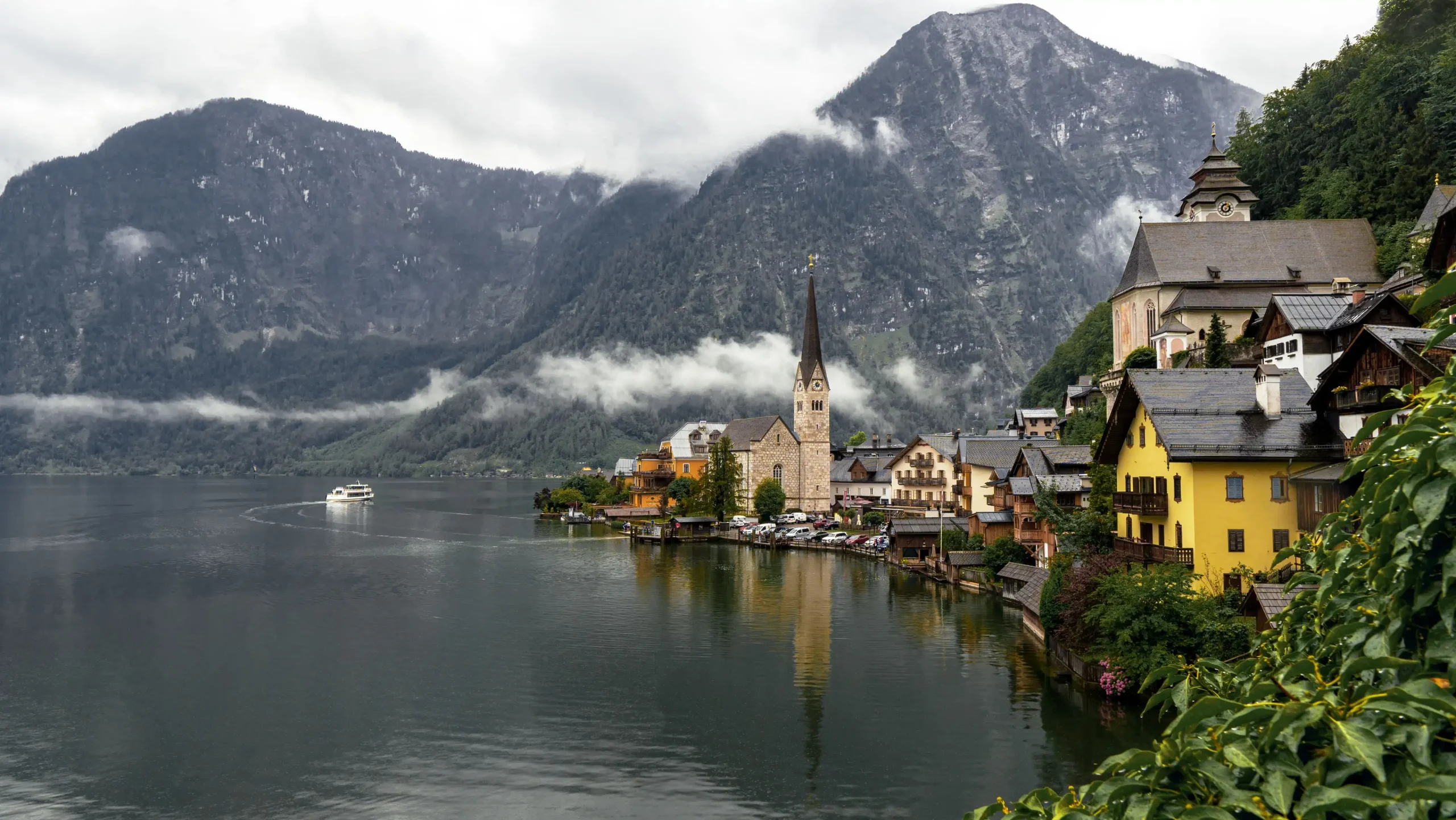
The Alpine Refuge: Discovering Austria

mikephilipsforcongress.com – Austria, a landlocked country in Central Europe, is renowned for its stunning alpine landscapes, rich cultural heritage, and charming cities. Nestled in the heart of the continent, it serves as a refuge for nature lovers, adventurers, and those seeking a serene escape from the bustle of everyday life.

Majestic Mountains and Pristine Nature

The Austrian Alps are the crown jewel of the country’s natural beauty, offering breathtaking vistas and endless opportunities for outdoor activities. From skiing and snowboarding in the winter to hiking and mountain biking in the summer, the Alps cater to adventurers of all kinds. The Grossglockner, Austria’s highest peak, stands as a testament to the country’s rugged allure.

Cultural Riches and Historic Cities

Austria’s cities, such as Vienna, Salzburg, and Innsbruck, are medusa88 login steeped in history and culture. Vienna, the capital, is known for its imperial palaces, magnificent museums, and a vibrant arts scene. Salzburg, the birthplace of Mozart, enchants visitors with its baroque architecture and musical heritage. Innsbruck, surrounded by towering mountains, offers a unique blend of urban life and alpine adventure.

Traditional Cuisine and Cozy Hospitality

Austrian cuisine is a delightful reflection of the country’s diverse cultural influences. Visitors can savor hearty dishes like Wiener Schnitzel, Tafelspitz, and Sachertorte, complemented by world-class wines and beers. The warmth and hospitality of the Austrian people make dining an enjoyable and memorable experience.

A Year-Round Destination

Austria’s appeal extends throughout the year, with each season offering its unique charm. The winter months transform the landscape into a snowy wonderland, perfect for winter sports enthusiasts. Spring and summer bring lush greenery and vibrant festivals, while autumn showcases the country’s picturesque foliage and harvest celebrations.

In conclusion, Austria is a true alpine refuge, offering a harmonious blend of natural beauty, cultural richness, and warm hospitality. Whether you’re seeking adventure in the mountains or a cultural exploration in its historic cities, Austria promises an unforgettable experience.

Ekowisata di Hutan Mondulkiri, Kamboja: Keajaiban Alam yang Menyegarkan Jiwa

mikephilipsforcongress – Hutan Mondulkiri di Kamboja semakin populer sebagai destinasi ekowisata bagi wisatawan yang mencintai alam dan ingin menjelajahi keindahan yang masih alami. Terletak di provinsi timur laut Kamboja, kawasan ini menawarkan keanekaragaman hayati yang menakjubkan serta kesempatan untuk belajar tentang budaya lokal. Wisata ke Hutan Mondulkiri bukan hanya pengalaman yang mendekatkan diri dengan alam, tetapi juga mendukung upaya pelestarian lingkungan dan pemberdayaan masyarakat adat.

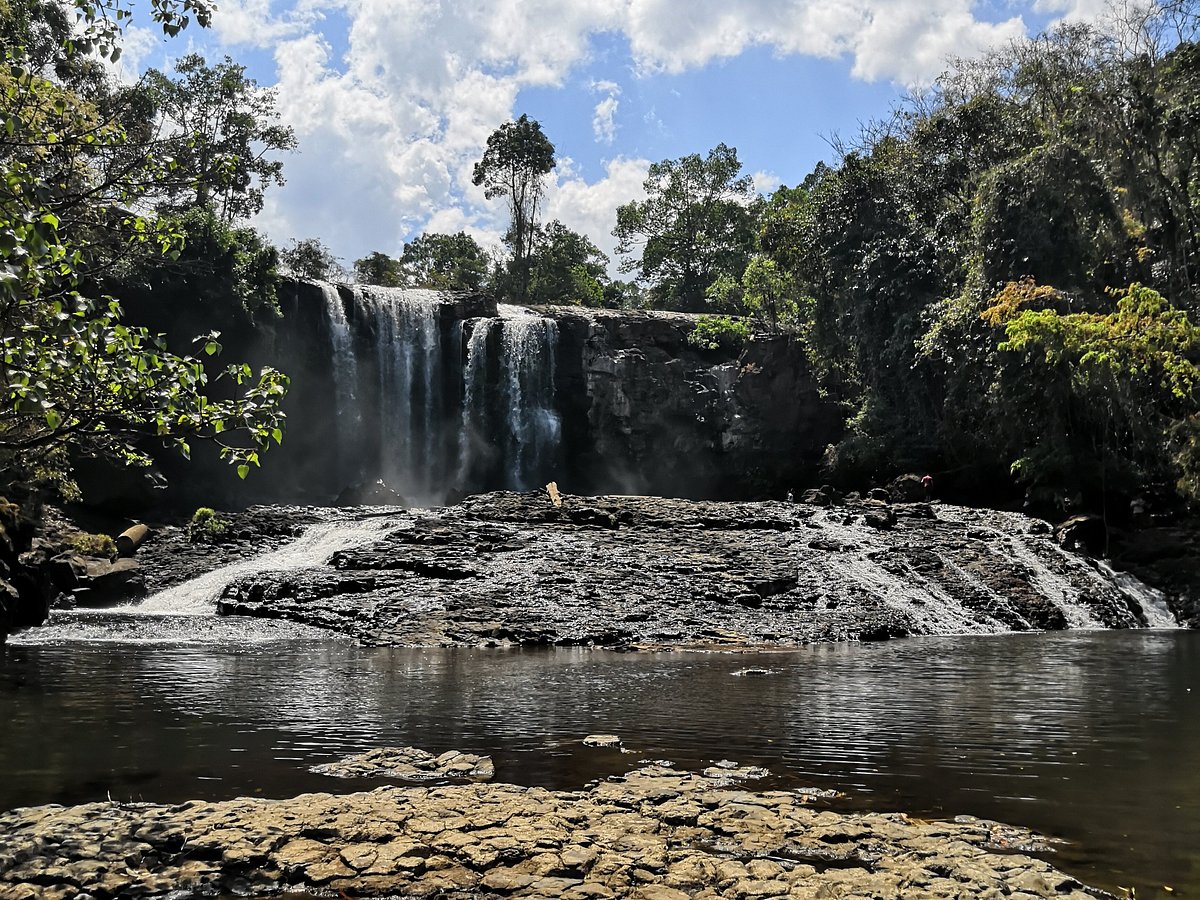
Mondulkiri terkenal karena lanskapnya yang indah dan belum tersentuh oleh pembangunan masif. Hutan tropis yang lebat, air terjun yang mempesona, dan padang rumput yang hijau menjadi daya tarik utama wilayah ini. Salah satu lokasi yang paling sering dikunjungi adalah Air Terjun Bou Sra, yang merupakan salah satu air terjun terbesar di Kamboja dengan pemandangan yang memukau.

Di dalam hutan, wisatawan bisa menemukan beragam flora dan fauna endemik, termasuk spesies-spesies langka seperti gajah Asia, banteng, dan beberapa jenis burung eksotis. Bagi penggemar fotografi alam, Hutan Mondulkiri adalah surga yang sempurna untuk menangkap momen keindahan alam liar.

Selain kekayaan alam, Hutan Mondulkiri juga merupakan rumah bagi suku Bunong, kelompok masyarakat adat yang telah tinggal di wilayah ini selama berabad-abad. Masyarakat Bunong dikenal dengan pengetahuan mereka tentang hutan dan cara hidup yang harmonis dengan alam. Sebagai bagian dari ekowisata, wisatawan dapat belajar tentang tradisi mereka, seperti metode bertani yang berkelanjutan, pengetahuan herbal, dan cara mereka menjaga keseimbangan ekosistem di hutan.

ekowisata-di-hutan-mondulkiri-kamboja-keajaiban-alam-yang-menyegarkan-jiwa

Turis yang datang juga bisa berpartisipasi dalam program-program wisata yang dipandu oleh masyarakat Bunong, seperti trekking di hutan, mengunjungi desa-desa adat, serta mengamati kehidupan satwa liar di habitat aslinya. Interaksi ini membantu menghidupkan kembali warisan budaya suku Bunong dan memberi peluang ekonomi bagi komunitas lokal.

Pemerintah Kamboja dan berbagai organisasi non-pemerintah bekerja sama untuk menjaga keanekaragaman hayati di Hutan Mondulkiri melalui program konservasi yang berbasis ekowisata. Ekowisata di wilayah ini difokuskan pada upaya melestarikan lingkungan alam sembari memberikan manfaat ekonomi bagi masyarakat lokal. Pendekatan ini melibatkan pelatihan masyarakat dalam pengelolaan pariwisata berkelanjutan, pendidikan tentang pentingnya perlindungan hutan, serta langkah-langkah konkret untuk mengurangi dampak negatif pariwisata massal terhadap alam.

Dengan semakin banyaknya wisatawan yang berkunjung ke Hutan Mondulkiri, tantangan yang muncul adalah memastikan bahwa perkembangan wisata tidak merusak ekosistem yang rapuh. Oleh karena itu, regulasi ketat dan pengawasan terus dilakukan untuk memastikan bahwa setiap kegiatan wisata tidak mengganggu habitat alami satwa liar dan tetap menjaga kelestarian lingkungan.

Bagi para pencinta alam yang ingin melarikan diri dari hiruk pikuk kehidupan kota, Hutan Mondulkiri menawarkan pengalaman yang menenangkan dan menyegarkan jiwa. Dari trekking di jalur-jalur hutan yang rimbun, menikmati segarnya udara pegunungan, hingga merasakan kehidupan masyarakat adat yang bersahaja, perjalanan ke Mondulkiri adalah pengalaman yang sulit dilupakan.

ekowisata-di-hutan-mondulkiri-kamboja-keajaiban-alam-yang-menyegarkan-jiwa

Menginap di homestay atau penginapan yang ramah lingkungan di tengah hutan juga menjadi salah satu pilihan menarik bagi wisatawan yang ingin merasakan kedekatan dengan alam. Selain itu, kegiatan seperti birdwatching, safari gajah, dan perjalanan menuju air terjun juga menjadi daya tarik utama yang dapat dinikmati selama berwisata di sini.

Ekowisata di Hutan Mondulkiri, slot kamboja, memberikan kesempatan luar biasa bagi wisatawan untuk menjelajahi alam liar yang indah sambil berkontribusi pada pelestarian lingkungan. Wisata yang berkelanjutan ini tidak hanya membawa manfaat bagi pelestarian keanekaragaman hayati, tetapi juga memberikan dampak positif bagi kehidupan masyarakat adat di wilayah tersebut. Hutan Mondulkiri adalah contoh nyata bagaimana pariwisata dan konservasi bisa berjalan beriringan, menciptakan harmoni antara manusia dan alam.

Jika Anda mencari destinasi wisata yang penuh petualangan sekaligus menawarkan ketenangan, Hutan Mondulkiri bisa menjadi pilihan yang sempurna.

The History of Qatar – Medieval Period

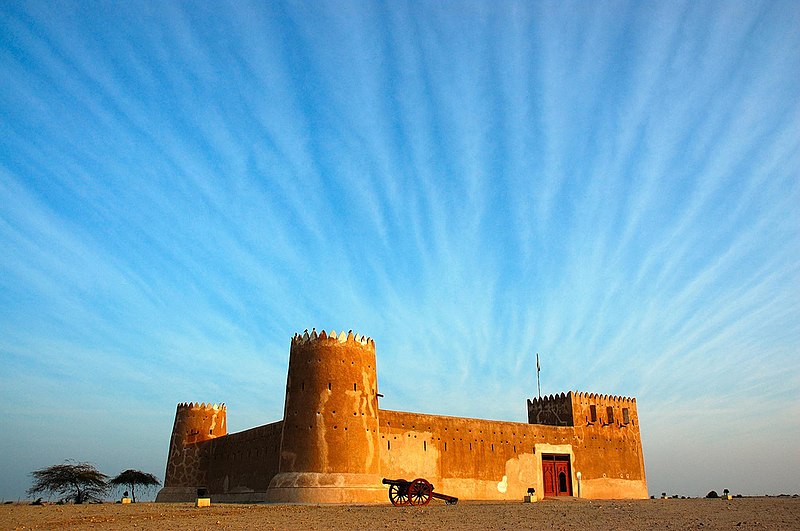
mikephilipsforcongress.com – The history of Qatar spans from its first duration of human occupation to its formation as a modern state. Human occupation of Qatar dates back to 50,000 years ago, with Stone Age encampments and tools unearthed in the Arabian Peninsula. The Mesopotamian civilization was the first to have a presence in the area during the Neolithic period, evidenced by the discovery of potsherds and other artifacts.

Medieval Period

In the 7th century, Qatar became part of the Arab Empire. The region experienced significant changes with the Portuguese invasion in 1517, followed by its incorporation into the Ottoman Empire in 1555, where it remained under Turkish rule for over 200 years.

Formation of the Modern State

The modern history of Qatar begins conventionally in 1766 with the migration to the peninsula of families from Kuwait, notably the Khalifah family. Their settlement at the new town of Al-Zubārah grew into a small but significant trading center. In 1846, Sheikh Sa’ad bin Muhammad established the Al Thani dynasty, which continues to rule Qatar to this day.

Colonial Influence and Independence

Qatar’s strategic location made it a target for colonial powers. The British established a protectorate over Qatar in 1916, which lasted until Qatar gained independence on September 3, 1971. The British protectorate was established to protect Qatar from Ottoman and Saudi expansionism and to secure British interests in the region.

Modern Era

Since independence, Qatar has experienced rapid development, largely due to its vast oil and gas reserves. The discovery of oil in the 1940s and the subsequent development of natural gas fields have transformed Qatar into one of the world’s wealthiest nations. The country has also invested heavily in infrastructure, education, and healthcare, aiming to diversify its economy beyond hydrocarbons.

Contemporary Qatar

In recent years, Qatar has become a significant player in international affairs. It has hosted major international events, including the 2022 FIFA World Cup, and has been involved in regional politics, often taking positions that differ from those of its neighbors. The country continues to balance its traditional values with modernization, aiming to create a sustainable future for its people.

Conclusion

Qatar’s history is a testament to its resilience and adaptability. From ancient settlements to modern statehood, Qatar has evolved through various stages of occupation, colonial influence, and independence. Today, it stands as a prosperous nation with a rich cultural heritage and a forward-looking vision for the future.

Symbolism and Significance: Easter Island’s Moai

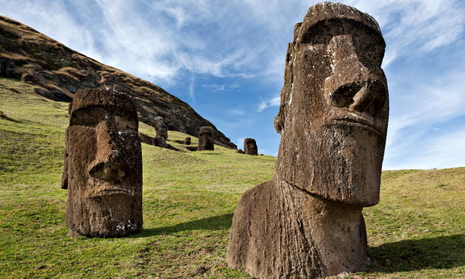
mikephilipsforcongress.com – Easter Island, known as Rapa Nui to its indigenous inhabitants, is renowned for its enigmatic Moai statues. These massive stone figures, carved by the Rapa Nui people, are not only impressive works of art but also hold profound cultural and religious significance. This article delves into the symbolism and importance of the Moai statues, exploring their role in the island’s history and the lives of its people.

The Moai Statues: A Brief Overview

The Moai statues are monolithic human figures carved from volcanic rock. They range in height from 6 to 33 feet and are scattered across the island, with about 1,000 statues in total. These statues are believed to represent important figures or ancestors of the Rapa Nui people, serving as a link between the past, present, and future.

Symbolism of the Moai

Ancestral Representation

One of the primary symbols of the Moai is their representation of ancestors. The Rapa Nui people believed that these statues embodied the spirits of their deceased ancestors, acting as a bridge between the living and the dead. This connection was crucial for maintaining social order and the island’s cosmological view.

Power and Status

The Moai also symbolize power, status, and honor. The larger and more intricately carved statues often represented higher-ranking individuals within the Rapa Nui society. These statues were a testament to the wealth and influence of their families, serving as a form of social and political expression.

Religious Significance

The Moai played a significant role in the religious practices of the Rapa Nui people. They were believed to possess spiritual power and were often placed on ceremonial platforms called ahu. These platforms were sites of worship and rituals, reinforcing the statues’ role in the island’s religious life.

Cultural Significance

Maintaining Social Order

The Moai statues were instrumental in maintaining social order on Easter Island. They were seen as protectors of the living, ensuring the well-being of the community and the fertility of the land. This belief system helped to stabilize the society and provided a sense of continuity and security.

Artistic Expression

The Moai are also a remarkable expression of Rapa Nui sculptural art. The craftsmanship and creativity displayed in these statues are a testament to the artistic skills of the Rapa Nui people. Each statue is unique, reflecting the individuality and cultural heritage of the island.

Conclusion

The Moai statues of Easter Island are more than just ancient artifacts; they are a profound expression of the Rapa Nui people’s culture, religion, and history. These statues symbolize the connection between the living and the dead, the embodiment of power and status, and the spiritual essence of the island’s inhabitants. Their significance extends beyond their physical presence, serving as a reminder of the rich cultural heritage of Easter Island.

Nauru’s Modernization & Development Goals

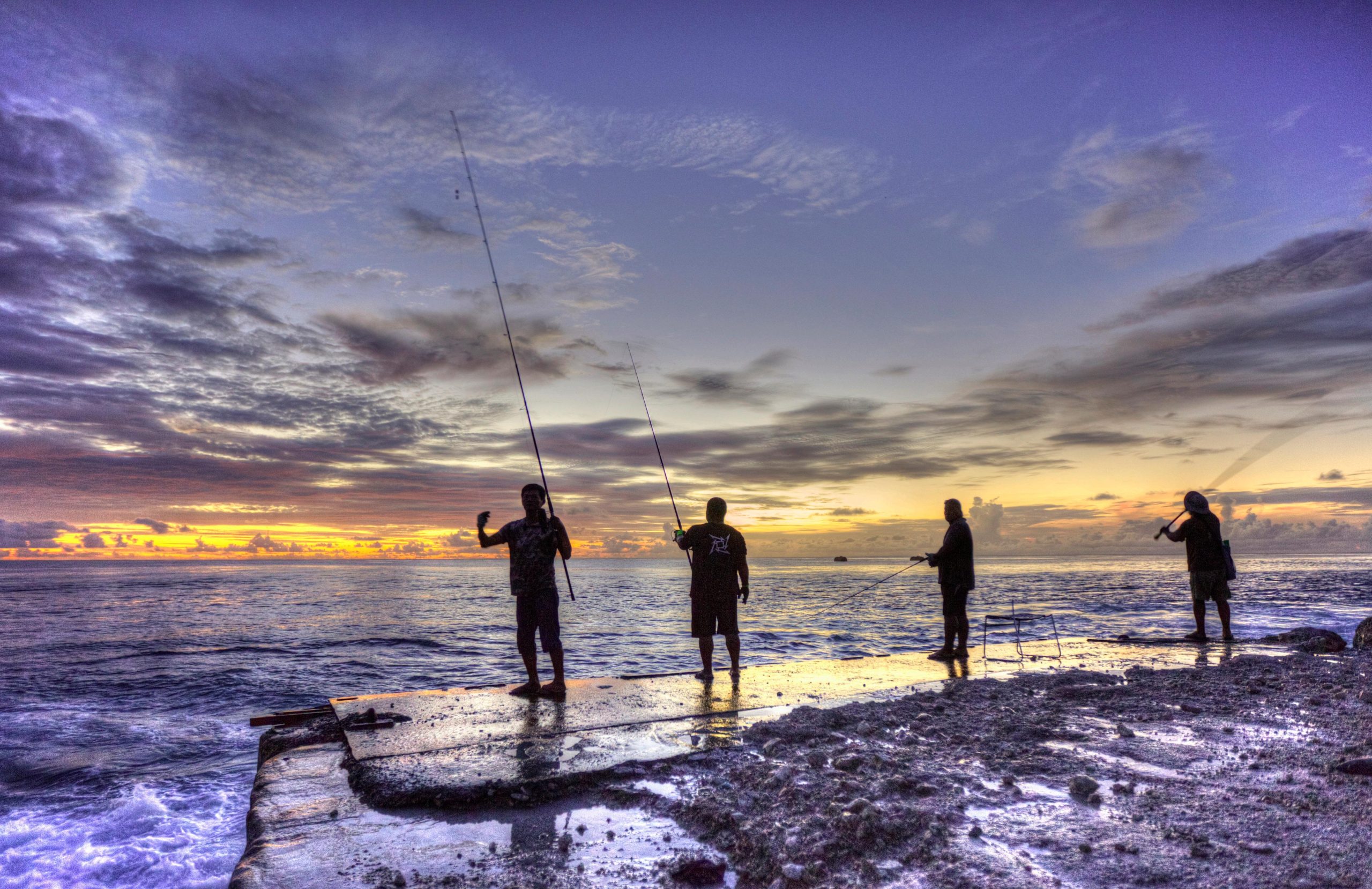
mikephilipsforcongress.com – Nauru, a small island nation in the Pacific, has embarked on a journey of modernization and development aimed at improving the quality of life for its citizens. This article explores the key goals and strategies that Nauru has set forth to achieve sustainable development and economic growth.

National Development Goals (2005-2025)

Nauru’s National Development Goals, established in 2005, outline a comprehensive framework for the nation’s development over a two-decade period. The primary objectives include:

  1. Stable, Trustworthy, and Fiscally Responsible Government: Ensuring effective governance and financial stability is a cornerstone of Nauru’s development strategy.
  2. Improved Health and Well-being: Enhancing healthcare services and promoting public health initiatives to improve the overall well-being of the population1.
  3. Access to Quality Education: Providing formal and informal educational opportunities to foster a knowledgeable and skilled workforce.

Millennium Development Goals (MDGs)

Nauru’s commitment to the Millennium Development Goals (MDGs) has been a significant part of its development agenda. The MDGs aimed to address poverty, hunger, education, gender equality, child mortality, maternal health, HIV/AIDS, malaria, and environmental sustainability. Nauru’s progress towards these goals has been documented in various reports, highlighting areas of achievement and areas needing further attention.

National Sustainable Development Strategy (2005-2025)

The National Sustainable Development Strategy (NSDS) 2005-2025 focuses on several key areas:

  1. Enhancing Participation in Regional Initiatives: Nauru aims to increase its involvement in regional development programs to leverage collective resources and expertise.
  2. Improving Access to Land for Economic Development: Addressing land tenure issues to facilitate economic activities and investment.
  3. Promoting Community Involvement: Encouraging local communities to participate actively in development projects to ensure their sustainability and relevance.

Sustainable Development Goals (SDGs)

Nauru has aligned its development efforts with the United Nations’ Sustainable Development Goals (SDGs). The 2021-22 Nauru Development Program Progress Report highlights the country’s commitment to achieving these global goals, which include poverty reduction, zero hunger, good health and well-being, quality education, gender equality, and climate action.

Climate Change Adaptation

Given its vulnerability to climate change, Nauru has developed an ambitious plan to adapt to and mitigate the impacts of climate change. This includes initiatives to enhance resilience and sustainability, such as the development of renewable energy projects and the implementation of climate-resilient infrastructure.

International Cooperation

Nauru’s development efforts are also supported by international cooperation. For instance, the country has received assistance from Australia and other partners to implement various development programs. Additionally, Nauru has engaged in partnerships with China, focusing on areas such as agriculture, infrastructure, and renewable energy.

Conclusion

Nauru’s modernization and development goals are ambitious and multifaceted, encompassing governance, health, education, economic development, and climate resilience. By aligning with global development frameworks and leveraging international cooperation, Nauru is working towards a sustainable and prosperous future for its people.

Iceland’s Festivals and Traditions

mikephilipsforcongress.com – Iceland is a land of vibrant culture and unique traditions, celebrated through a variety of festivals throughout the year. From music and art to quirky local customs, these events showcase the country’s rich heritage and modern spirit. Here is an overview of some of the most notable festivals and traditions in Iceland.

Major Festivals

Reykjavík Arts Festival

The Reykjavík Arts Festival is one of the largest cultural events in Iceland, featuring a diverse program of music, theater, dance, and visual arts. It attracts both local and international artists, making it a must-visit for culture enthusiasts.

Iceland Airwaves Music Festival

Held annually in Reykjavík, the Iceland Airwaves Music Festival is a significant event in the global music calendar. It showcases a mix of established and emerging Icelandic and international musicians, creating a unique and dynamic atmosphere.

Reykjavík Fringe Festival

This festival is a celebration of alternative and experimental arts, featuring performances, installations, and workshops. It provides a platform for artists to explore new ideas and push creative boundaries.

Reykjavík International Film Festival (RIFF)

RIFF is a major event for film lovers, featuring a wide range of international and Icelandic films. It includes screenings, workshops, and discussions, making it a comprehensive film experience.

Síldarævintýrið (Herring Adventure Festival)

Celebrated in Siglufjörður, this festival honors the town’s herring industry history. It includes traditional music, dance, and food, offering a glimpse into Iceland’s maritime heritage.

Traditional Festivals

Þorrablót

Þorrablót is a mid-winter festival celebrated in January and February. It involves feasting on traditional Icelandic foods, many of which are considered acquired tastes, such as fermented shark and sheep’s head.

Beer Day

Beer Day is celebrated on March 1st, marking the day in 1989 when the ban on beer was lifted in Iceland. It is a lively celebration with parties and events across the country.

First Day of Summer

Celebrated on the first Thursday after April 18th, the First Day of Summer is a traditional Icelandic holiday. It is marked by family gatherings, parades, and the crowning of the “Summer Queen”.

Icelandic Food and Entertainment Festival

This festival, held in February, showcases the best of Icelandic cuisine and entertainment. It features local chefs and musicians, providing a taste of Iceland’s culinary and cultural scene.

Unique Local Traditions

Viking Food Month

From January 20th to February 21st, Viking Food Month celebrates the culinary traditions of Iceland’s Viking ancestors. Restaurants offer dishes like fermented shark and sheep’s head, giving visitors a taste of historical Icelandic cuisine.

Teltamessa (Tent Festival)

Held on August 6th and 7th, Teltamessa is a traditional festival where Icelanders set up tents and enjoy outdoor activities. It is a celebration of summer and the great outdoors.

Aldrei fór ég suður (Never Went South) Rock Festival

This rock festival takes place in Ísafjörður during Easter. It features free performances by local and international musicians, creating a festive and inclusive atmosphere.

Conclusion

Iceland’s festivals and traditions offer a rich tapestry of cultural experiences, from the grandeur of international music and film festivals to the quirky and unique local celebrations. Whether you are interested in art, music, food, or history, there is always something to enjoy in Iceland’s vibrant festival calendar.

Australia: A Comprehensive Guide to Its Regions and Attractions

mikephilipsforcongress.com – Australia, the world’s smallest continent and sixth-largest country, is a land of remarkable diversity, from its bustling cities to its vast, unspoiled wilderness. Each region offers a unique experience, whether you’re seeking urban adventures, natural wonders, or cultural encounters. This guide will take you on a journey through Australia’s most captivating regions and attractions.

The East Coast: A Melting Pot of Culture and Nature

The east coast of Australia is where the country’s cosmopolitan heart beats. Here, you’ll find the iconic cities of Sydney and Melbourne, each with its own distinct charm. Sydney is famous for the Sydney Opera House and the Harbour Bridge, while Melbourne boasts world-class dining, art galleries, and the vibrant laneways of the city center.

Beyond the cities, the east coast offers stunning natural beauty. The Great Barrier Reef, off the coast of Queensland, is the world’s largest coral reef system, teeming with marine life and perfect for snorkeling and diving. Farther south, the Gold Coast offers surf-friendly beaches and a lively atmosphere, while the Sunshine Coast provides a more laid-back coastal experience.

The Outback: The Heart of Australia

The Outback is the vast, arid interior of Australia, a place of rugged beauty and enduring spirit. The Red Centre, with its iconic Uluru (Ayers Rock) and Kata Tjuta (The Olgas), is a must-visit for anyone wanting to experience the spiritual heart of Australia. Watching the sunset over Uluru is an unforgettable experience, as the rock changes color in the fading light.

Alice Springs, the gateway to the Red Centre, offers a range of activities, from camel rides to star gazing. The Flinders Ranges, to the south, are another Outback highlight, with dramatic landscapes and ancient fossils.

The West Coast: Wilderness and Wine

Western Australia is a land of contrasts, with the bustling city of Perth on one end and the rugged wilderness of the Kimberley region on the other. The Margaret River region, just south of Perth, is famous for its vineyards, gourmet food, and beautiful beaches. It’s the perfect place for a self-drive holiday, with plenty of opportunities for wine tasting and surfing.

The Kimberley, in the north, is one of the most remote and untouched regions of Australia. Here, you can explore the ancient landscapes of Purnululu National Park, cruise the gorges of the Ord River, and witness the breathtaking Horizontal Waterfalls.

The Top End: The Gateway to the Tropics

The Top End, centered around Darwin, is Australia’s tropical paradise. Kakadu National Park, a UNESCO World Heritage Site, is a highlight, with its stunning waterfalls, ancient rock art, and abundant wildlife. The park is home to saltwater crocodiles, which you can see on a billabong cruise.

Litchfield National Park, with its crystal-clear streams and magnetic termite mounds, is another must-visit. And for a truly unique experience, take a trip to Tiwi Islands, where you can learn about the rich culture of the Tiwi people and see their famous artworks.

The South: Food, Wine, and History

South Australia is known for its exceptional food and wine, with the Barossa Valley and Adelaide Hills being premier wine regions. Adelaide, the state’s capital, is a city of festivals, with a strong arts scene and a relaxed lifestyle.

The historic town of Port Augusta is the gateway to the Flinders Ranges, while the Eyre Peninsula offers some of Australia’s best seafood and coastal scenery. Don’t miss the chance to swim with sea lions and dolphins at Baird Bay.

Tasmania: An Island of Natural Beauty

Tasmania, Australia’s island state, is a nature lover’s paradise. The Tasmanian Wilderness, another UNESCO World Heritage Site, features pristine forests, alpine heathlands, and deep river gorges. Cradle Mountain-Lake St Clair National Park is a highlight, with its iconic landscapes and the challenging Overland Track.

Hobart, the state capital, is a charming city with a vibrant waterfront and the historic Salamanca Market. The Tasman Peninsula, with its dramatic sea cliffs and the infamous Port Arthur Historic Site, is another must-visit.

Conclusion

Australia’s vast and varied landscapes offer something for every type of traveler. Whether you’re drawn to the vibrant cities, the rugged wilderness, or the stunning coastlines, there’s an adventure waiting for you in every corner of this remarkable country. With this comprehensive guide, you’re now equipped to explore the regions and attractions that make Australia truly unique.

A Sporting Extravaganza: Switzerland’s National Championships

mikephilipsforcongress.com – Switzerland, a country renowned for its picturesque landscapes and precision engineering, also boasts a vibrant sporting culture. The Swiss National Championships, an annual event that brings together the nation’s top athletes across various disciplines, is a testament to the country’s sporting prowess. This article delves into the rich tapestry of competition, camaraderie, and celebration that defines the Swiss National Championships.

A Tradition of Excellence

The Swiss National Championships have a long-standing tradition of excellence, with roots that stretch back over a century. Each year, the event showcases the pinnacle of Swiss athletic talent, with competitions ranging from track and field to swimming, cycling, and skiing, among others. The championships serve as a platform for athletes to not only compete for national titles but also to qualify for international competitions, including the Olympics and World Championships.

The Heart of Swiss Sport

At the core of the Swiss National Championships is the spirit of competition and the pursuit of excellence. Athletes from all corners of Switzerland train year-round, driven by the dream of standing on the podium at the national event. The championships are not just a showcase of physical prowess but also a celebration of sportsmanship, dedication, and the relentless pursuit of personal bests.

A Multifaceted Event

The Swiss National Championships are not limited to a single sport or venue. They encompass a wide range of disciplines, each with its own unique challenges and traditions. From the high-speed thrills of downhill skiing to the strategic endurance of cycling, the championships offer something for every sports enthusiast. The event is a true sporting extravaganza, drawing crowds from across the country and beyond.

Community and Celebration

Beyond the athletic achievements, the Swiss National Championships are a time for community and celebration. Fans and families gather to support their local heroes, creating an electric atmosphere that fuels the athletes’ performances. The event is also an opportunity for young athletes to witness the highest levels of competition, inspiring the next generation of Swiss sports stars.

Conclusion

The Swiss National Championships are more than just a series of sporting events; they are a national celebration of athletic excellence, community, and the relentless pursuit of greatness. As Switzerland continues to produce world-class athletes, the championships stand as a beacon of the country’s sporting heritage and its commitment to fostering talent. Whether you’re a lifelong fan or a casual observer, the Swiss National Championships offer a glimpse into the heart and soul of Swiss sport, making them an unmissable event on the international sporting calendar.

A Flavorful Journey: The Cuisine of Suriname

mikephilipsforcongress.com – Suriname, a small country on the northeastern coast of South America, is a melting pot of cultures, each contributing to the vibrant tapestry of its cuisine. The country’s culinary landscape is as diverse as its population, which includes Indigenous peoples, Africans, Indians, Javanese, Chinese, and Europeans. This rich cultural mix has resulted in a unique and flavorful cuisine that is both complex and inviting.

The Influence of History on Surinamese Cuisine

The history of Suriname is deeply intertwined with its cuisine. The Dutch colonization, the African slave trade, and the indentured laborers from India, Java, and China have all left their mark on the country’s food. Each group brought their traditional dishes and cooking techniques, which over time, merged and evolved into what is now known as Surinamese cuisine.

Key Ingredients and Flavors

Surinamese cuisine is characterized by its use of a variety of spices, herbs, and ingredients that reflect its multicultural heritage. Common flavors include the tanginess of tamarind, the heat of Scotch bonnet peppers, and the earthiness of turmeric and curry powders. Rice is a staple, often served with a variety of accompaniments, while cassava and plantains are also popular ingredients.

Traditional Dishes

Roti and Dal

Influenced by the Indian community, roti is a flatbread that is typically served with a lentil-based curry known as dal. This dish is a comforting and hearty meal that is popular among Surinamese of all backgrounds.

Pom

Pom is a traditional Surinamese dessert made from sweet potatoes, coconut milk, and sugar. It is often served during festive occasions and is a beloved treat that showcases the country’s love for sweet, tropical flavors.

Pinda Soep

This is a peanut soup that originates from the African culinary tradition. It is a savory dish made with ground peanuts, meat (often chicken or beef), and a variety of vegetables. Pinda Soep is a testament to the fusion of flavors in Surinamese cuisine, blending African ingredients with local produce.

The Role of Street Food

Street food plays a significant role in Surinamese cuisine, offering a quick and delicious way to experience the country’s culinary diversity. From bara (a fried dough snack) to saoto (a Javanese soup), street vendors serve up a variety of dishes that reflect the multicultural tapestry of Suriname.

Conclusion

The cuisine of Suriname is a testament to the country’s rich cultural heritage and the blending of diverse culinary traditions. It is a flavorful journey that offers a taste of the world in one small country. Whether you’re enjoying a hearty roti with dal, savoring the sweetness of pom, or diving into a bowl of pinda soep, Surinamese cuisine promises a unique and memorable dining experience.

The Islands of Palau: A Guide to the 300+ Islands

mikephilipsforcongress.com – Nestled in the western Pacific Ocean, the Republic of Palau is a tropical paradise that boasts over 300 islands, each offering its own unique charm and natural beauty. From vibrant coral reefs teeming with marine life to lush jungles and historic sites, Palau is a destination that caters to a wide range of travelers. This guide will take you on a journey through some of the most notable islands in Palau, providing insights into what makes each one special and how to make the most of your visit.

Rock Islands: A UNESCO World Heritage Site

The Rock Islands, also known as Chelbacheb, are a group of small, forested limestone islands that are part of a UNESCO World Heritage Site. These islands are famous for their unique mushroom-shaped rock formations, crystal-clear lagoons, and abundant marine life. Jellyfish Lake, located on one of the Rock Islands, is a must-visit spot where you can swim with harmless jellyfish in their natural habitat.

Koror: The Vibrant Hub

Koror is the most populated island in Palau and serves as the commercial and tourism hub. It offers a mix of modern amenities and natural attractions. Don’t miss the opportunity to explore the Palau Aquarium, which showcases the country’s diverse marine ecosystems. For a taste of Palauan culture, visit the Belau National Museum.

Peleliu: A Piece of History

Peleliu Island is steeped in history, having been the site of a fierce battle during World War II. The Peleliu Battlefield is a sobering reminder of the war’s impact, with preserved bunkers, tanks, and other artifacts. The island also features beautiful beaches and the stunning Peleliu Yellow Beach, which is perfect for snorkeling and relaxation.

Angaur: The Southernmost Island

Angaur, located at the southernmost tip of Palau, is known for its phosphate mining history and traditional way of life. The island’s circular shape and surrounding coral reefs make it a great destination for diving and snorkeling. Angaur is also home to the endangered Palauan fruit bat, which can be seen in the island’s forests.

Kayangel: The Northern Trio

Kayangel is a group of three small islands located in the northern part of Palau. It is the least visited area of Palau, making it an ideal destination for those seeking a secluded getaway. The islands are surrounded by beautiful coral reefs and are known for their clear blue waters and white sandy beaches.

Tips for Exploring Palau’s Islands

  • Plan Your Itinerary: With so many islands to explore, it’s important to plan your itinerary based on your interests, whether it’s diving, snorkeling, hiking, or cultural experiences.
  • Respect the Environment: Palau is committed to preserving its natural beauty. Follow guidelines for responsible travel, such as not touching coral reefs and disposing of waste properly.
  • Hire Local Guides: To fully appreciate the history and culture of each island, consider hiring a local guide who can provide insights and ensure you have a safe and enjoyable experience.
  • Pack Accordingly: Bring reef-safe sunscreen, a waterproof camera, snorkeling gear, and comfortable clothing suitable for both land and water activities.

Exploring the islands of Palau is an adventure that promises unforgettable experiences. Whether you’re drawn to its rich history, vibrant marine life, or serene landscapes, Palau’s islands offer something for every type of traveler. Embrace the opportunity to discover this hidden gem in the Pacific and create memories that will last a lifetime.

Understanding Hong Kong’s Economic Miracle

mikephilipsforcongress.com – Hong Kong’s economic transformation from a small entrepot to a global financial hub is often referred to as an “economic miracle.” This article explores the key factors and policies that contributed to this remarkable growth, debunking the myth of laissez-faire economics as the sole driver of Hong Kong’s success.

The Post-War Era and the Role of the Colonial State

After World War II, Hong Kong underwent a significant transformation from a simple entrepot to a bustling industrial city. The narrative that this transformation was solely due to the colonial state’s laissez-faire economic policy has been widely discussed but not without its critics. According to sources, the post-war economic miracle in Hong Kong was facilitated by a combination of factors, including strategic policies and the unique geopolitical context of the time.

The Role of Cowperthwaite and His Policies

One of the key figures behind Hong Kong’s economic success was John Cowperthwaite, who served as the Financial Secretary of Hong Kong from 1961 to 1971. Cowperthwaite is often credited with implementing policies that allowed Hong Kong to flourish economically. His approach, characterized by minimal government intervention and a focus on free-market principles, was instrumental in creating a favorable environment for business and investment.

The Free-Market Economy and International Trade

Hong Kong’s economy is characterized by its free-market orientation, low taxation, and almost free port trade. This economic model, coupled with a well-established international financial market, has made Hong Kong one of the most favorable places to start a company. The absence of a central banking system and the determination of interest rates by individual banks ensure that the financial sector remains market-driven.

Challenges and the Future of Hong Kong’s Economy

Despite its remarkable economic achievements, Hong Kong faces several challenges. The real estate market, in particular, has been a significant concern, contributing to economic disparities and social tensions. The city’s economic growth has also been affected by global economic trends and geopolitical shifts, which could pose risks to its future prosperity.

Conclusion

Hong Kong’s economic miracle is a testament to the power of strategic policy-making and a favorable economic environment. While laissez-faire economics played a role, it was the combination of Cowperthwaite’s policies, a free-market economy, and international trade that truly propelled Hong Kong to global economic prominence. As the city navigates future challenges, its economic model and historical successes provide valuable lessons for other regions seeking economic growth and stability.

A History of North Macedonia: From Ancient Roots to Modern Times

mikephilipsforcongress.com – The history of North Macedonia is a tapestry woven from the threads of various civilizations that have inhabited the region over millennia. The ancient kingdom of Macedonia, ruled by the Argead dynasty, rose to prominence in the 4th century BCE under the leadership of King Philip II. His son, Alexander the Great, would go on to create one of the largest empires of the ancient world, spreading Greek culture and influence as far as Egypt and India.

Roman and Byzantine Influence

Following the death of Alexander, his empire was divided among his generals. The region of Macedonia eventually came under Roman rule in the 2nd century BCE. With the division of the Roman Empire, Macedonia became part of the Byzantine Empire, a period marked by the spread of Christianity and the construction of numerous religious monuments that still stand today.

The Slavic Settlements

The 6th and 7th centuries saw the arrival of Slavic peoples into the Balkans, including the region of Macedonia. These settlers would gradually assimilate with the local population, contributing to the cultural and linguistic diversity of the area.

Ottoman Rule

In the late 14th century, the Ottoman Empire conquered the region, marking the beginning of a period of Islamic influence that lasted for over 500 years. Despite the challenges of foreign rule, the people of Macedonia maintained their cultural and religious identities, often through the establishment of monasteries and the preservation of their language and traditions.

The Struggle for Independence

The late 19th and early 20th centuries were marked by a series of conflicts and movements aimed at liberating Macedonia from Ottoman control. The region became a focal point of the Balkan Wars and World War I, with various factions vying for control.

Modern North Macedonia

Following the dissolution of Yugoslavia in the early 1990s, the Republic of Macedonia declared its independence. The country, renamed North Macedonia in 2019 as part of an agreement with Greece, has since worked to establish itself on the international stage, pursuing EU and NATO membership and fostering economic development.

Conclusion

The history of North Macedonia is a testament to the resilience and diversity of its people. From ancient kingdoms to modern nationhood, the region has been shaped by a multitude of influences, each leaving an indelible mark on its cultural and historical landscape. As North Macedonia continues to navigate the complexities of the modern world, it carries with it the rich legacy of its past, a legacy that is both a source of pride and a foundation for the future.

The Rich Tapestry of Philippine History

mikephilipsforcongress.com – Before the arrival of European colonizers, the Philippines was a mosaic of indigenous societies, each with its own unique culture and traditions. These communities were often organized into barangays, a social unit led by a datu or chieftain. The people engaged in agriculture, fishing, and trade, with the latter connecting them to neighboring Asian civilizations such as China, India, and the Malay Archipelago.

The Spanish Colonial Era: A Legacy of Catholicism and Colonialism

The Philippine history took a dramatic turn in 1521 when Ferdinand Magellan claimed the islands for Spain. It was Miguel López de Legazpi who established the first permanent Spanish settlement in Cebu in 1565. The Spanish colonization lasted for more than three centuries, during which the Philippines became a melting pot of indigenous, Spanish, and Mexican cultures. The Spanish introduced Christianity, particularly Roman Catholicism, which remains the dominant religion in the country today.

The Philippine Revolution and the First Republic

The desire for independence from Spanish rule culminated in the Philippine Revolution of 1896, led by Filipino revolutionaries like Andrés Bonifacio and later, Emilio Aguinaldo. The revolution led to the declaration of the First Philippine Republic in 1899, with Aguinaldo as its president. However, the dream of an independent nation was short-lived as the Philippines was ceded to the United States following the Spanish-American War.

American Colonial Period and the Commonwealth

The United States introduced public education, economic reforms, and a new legal system to the Philippines. The country was granted Commonwealth status in 1935, with Manuel L. Quezon as its first president. The Commonwealth government prepared the Philippines for full independence, which was promised to be granted in 1946.

World War II and the Fight for Freedom

The onset of World War II brought Japanese occupation to the Philippines. The Filipino people, alongside American forces, fought fiercely for liberation. General Douglas MacArthur’s famous promise, “I shall return,” was fulfilled as Allied forces reclaimed the islands. The war left the Philippines in ruins, but it also solidified the nation’s resolve for independence.

Independence and the Post-War Era

The Philippines finally gained independence from the United States on July 4, 1946. The post-war era was marked by rebuilding and the establishment of a democratic government. However, the country also faced challenges such as political instability, economic difficulties, and social unrest.

Modern Philippines: Challenges and Progress

Today, the Philippines continues to navigate the complexities of modern nationhood. It faces issues such as poverty, corruption, and natural disasters. Yet, the resilience of the Filipino people is evident in their ongoing efforts to address these challenges and in their vibrant culture, which is a testament to their history of resistance and adaptation.

The Philippines’ history is a narrative of resilience, diversity, and the enduring spirit of its people. From ancient barangays to a modern democratic nation, the archipelago’s journey is a rich tapestry woven with the threads of various cultures, religions, and traditions.

Parliamentary Co-Principality: Andorra’s Political System

mikephilipsforcongress.com – Andorra, officially known as the Principality of Andorra, is a unique sovereign state located in the Pyrenees mountains between France and Spain. Its political system is characterized as a parliamentary co-principality, a form of government that is both unique and intriguing.

Historical Context

The origins of Andorra’s political system date back to the 13th century when it was established as a principality. The current form of government, however, was solidified with the ratification of the Constitution in 1993, which established Andorra as a parliamentary democracy while retaining the Bishop of Urgell and the President of France as co-princes and heads of state.

Structure of Government

Andorra’s government is structured as a parliamentary constitutional monarchy, with a multi-party system. Executive power is exercised by the government, led by the Head of Government, who retains executive power under the 1993 Constitution. The co-princes, the Bishop of Urgell and the President of France, serve as joint heads of state but do not have direct executive power. Their roles are largely ceremonial, with the exception of certain powers that require their approval or countersignature.

Legislative Branch

The legislative branch of Andorra is the General Council, which is the unicameral parliament of the country. It is responsible for passing laws and overseeing the government’s actions. The General Council is composed of 28 members who are elected by the citizens of Andorra.

Judicial Branch

The judicial branch is independent and operates under a system of courts that handle both civil and criminal cases. The Supreme Court is the highest court in the country, and there are also lower courts that handle specific types of cases.

Political Parties and Elections

Andorra’s political landscape is characterized by a multi-party system, with several political parties competing for seats in the General Council. The country has seen a shift in its political party system, with some parties dissolving and new ones emerging. The Liberal Union, for example, attempted to reshape itself and change its name, reflecting the dynamic nature of Andorra’s political scene.

Elections in Andorra are held regularly, with the General Council members being elected by the citizens. The Head of Government is also elected by the General Council from among its members.

Security and Defense

Andorra maintains a small ceremonial army, a well-equipped police corps, a fire brigade, and a mountain rescue service. The GIPA, a para-military unit trained in hostage and counter-terrorism roles, also plays a crucial role in the country’s security.

Conclusion

Andorra’s political system, as a parliamentary co-principality, is a unique blend of tradition and modernity. The roles of the co-princes, the Bishop of Urgell, and the President of France, while largely ceremonial, underscore the historical and cultural roots of the country. The multi-party system and regular elections ensure a vibrant political life, contributing to the overall stability and development of Andorra.

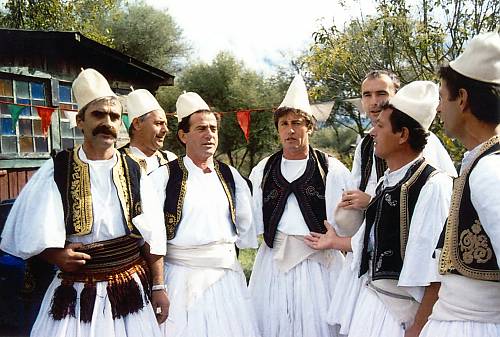
Isopolyphony and Beyond: The Albanian Folk Music

mikephilipsforcongress.com – Albanian folk music is a rich tapestry of sounds and traditions that have been passed down through generations. Among its most distinctive features is the practice of isopolyphony, a unique form of vocal polyphony that is found in the southern regions of Albania, particularly in the area of Gjirokastër. This article delves into the world of Albanian folk music, focusing on the intricate art of isopolyphony and exploring the broader musical landscape that extends beyond this singular tradition.

The Unique Phenomenon of Isopolyphony

Isopolyphony is a form of polyphonic singing where two or more singers perform the same melody in parallel, with slight variations in pitch and timing. This creates a rich, complex texture that is both haunting and mesmerizing. The practice is thought to have ancient origins, possibly dating back to the Byzantine era, and it has been preserved in the isolated mountainous regions of southern Albania.

The isopolyphonic style is characterized by its use of microtones, which are pitches that fall between the notes of the Western musical scale. This adds to the distinctive sound of Albanian folk music, making it stand out from other European folk traditions. The singers, typically men, perform without instrumental accompaniment, relying solely on their voices to create a harmonious blend.

The Cultural Significance of Isopolyphony

Isopolyphony is more than just a musical style; it is a cultural treasure that reflects the history and identity of the Albanian people. The songs often tell stories of love, war, and daily life, passing down the collective memory of the community. The tradition is typically practiced during social gatherings, weddings, and other celebrations, bringing people together and reinforcing social bonds.

In recognition of its importance, UNESCO inscribed Albanian isopolyphonic singing on the Representative List of the Intangible Cultural Heritage of Humanity in 2008. This designation has helped to raise awareness of the tradition both within Albania and internationally, ensuring its preservation for future generations.

Beyond Isopolyphony: The Diversity of Albanian Folk Music

While isopolyphony is undoubtedly a highlight of Albanian folk music, it is just one aspect of a much broader tradition. Albanian music varies greatly from region to region, with each area having its own distinctive styles, instruments, and repertoires.

In the northern regions, for example, the music is often more rhythmic and dance-oriented, with influences from neighboring countries such as Kosovo and Montenegro. The çifteli and lahuta, two stringed instruments, are commonly used, accompanying singers who perform epic songs known as “këngë kreshnikësh” or “heroic songs.”

The central regions of Albania are known for their lyrical songs, which are often accompanied by the accordion and clarinet. These songs are typically slower and more melancholic, reflecting the emotional depth of Albanian folk music.

The Influence of Albanian Folk Music on the World Stage

Albanian folk music has begun to gain international recognition, with artists such as the polyphonic group Këndon Gjirokastra and the singer and composer Gjevat Kelmendi bringing the tradition to audiences around the world. Festivals and cultural exchanges have also played a role in spreading the music beyond Albania’s borders, introducing new listeners to the beauty and complexity of Albanian folk music.

As the world becomes increasingly interconnected, the unique sounds of Albanian folk music continue to inspire and influence musicians and composers from various genres. The fusion of traditional Albanian music with contemporary styles has led to innovative collaborations, further cementing the place of Albanian folk music on the global stage.

Conclusion

The Albanian folk music tradition, with its isopolyphonic singing at its heart, is a testament to the resilience and creativity of the Albanian people. It is a living heritage that continues to evolve while remaining true to its roots. As we explore the depths of isopolyphony and the diverse expressions of Albanian folk music, we are reminded of the power of music to connect us across time and space. Whether performed in the highlands of southern Albania or on international stages, this music carries with it the spirit and soul of a nation.

Celebrations and Traditions: The Chinese New Year

mikephilipsforcongress.com – The Chinese New Year, also known as the Spring Festival, is one of the most important holidays in the Chinese calendar. It marks the beginning of a new year in the traditional Chinese lunisolar calendar and is celebrated with a variety of customs and traditions that have been passed down through generations. The festival lasts for 15 days, ending with the Lantern Festival, and is a time for families to come together, honor ancestors, and wish for good fortune in the coming year.

The Significance of the Chinese New Year

The Chinese New Year is not just a time for celebration; it is also a time for renewal and hope. It is believed to bring good luck and answer prayers for prosperity, health, and happiness. The date of the festival changes every year, as it is based on the second new moon after the winter solstice. This typically falls between January 21st and February 20th.

Preparations for the Festival

In the days leading up to the Chinese New Year, people thoroughly clean their homes to sweep away any ill fortune and make way for good incoming luck. It is also a time for paying off debts and resolving any quarrels to ensure a fresh start. Homes are decorated with red lanterns, banners, and couplets with auspicious phrases to welcome the New Year.

The Reunion Dinner

One of the most significant events of the Chinese New Year is the reunion dinner, which takes place on New Year’s Eve. Family members, no matter how far they may be, try to return home for this meal. The dinner is a lavish affair with a variety of dishes, each symbolizing something auspicious. For example, fish symbolizes surplus, dumplings represent wealth, and noodles stand for longevity.

Traditional Customs and Activities

Firecrackers and Fireworks

To ward off evil spirits, firecrackers are set off at midnight as the New Year begins. Fireworks are also a common sight, lighting up the sky with vibrant colors and symbolizing the hope for a bright and prosperous year ahead.

The Lion and Dragon Dances

Lion and dragon dances are performed in the streets to bring good luck and chase away evil spirits. The lion dance, in particular, is believed to bring happiness, luck, and wealth.

Red Envelopes

Elders give children red envelopes, or “hongbao,” filled with money. The color red symbolizes good luck, and the money inside is meant to bring prosperity to the recipient.

Visiting Family and Friends

During the first few days of the New Year, people visit family and friends to extend their New Year greetings. It is customary to wear new clothes during these visits, and it is considered polite to bring gifts, often food or sweets.

The Lantern Festival

The festival concludes with the Lantern Festival on the 15th day of the New Year. People gather to light lanterns and solve riddles written on them. This event symbolizes the end of the New Year celebrations and the return to daily life.

Cultural Significance

The Chinese New Year is not only celebrated in China but also in many other countries with significant Chinese populations. It is a time when Chinese culture is showcased to the world, with parades, cultural performances, and exhibitions taking place globally.

Conclusion

The Chinese New Year is a time of joy, hope, and togetherness. It is a celebration of life, family, and the future. With its rich tapestry of traditions and customs, the festival continues to be an important part of Chinese culture and heritage, bringing people together to celebrate the start of a new year with optimism and enthusiasm.

Chiado and Beyond: Portugal’s Art Nouveau

mikephilipsforcongress.com – Art Nouveau, a prominent architectural and decorative arts movement that flourished from the late 19th century to the early 20th century, left an indelible mark on cities across Europe. In Portugal, this style is particularly celebrated in the heart of Lisbon, where the Chiado district stands as a testament to the country’s embrace of Art Nouveau. This article explores the essence of Portugal’s Art Nouveau, with a focus on the Chiado neighborhood and its surroundings, revealing how the movement’s aesthetic has been preserved and celebrated in the modern era.

The Chiado District: A Hub of Art Nouveau

The Chiado district, known for its cultural richness and historical significance, is a treasure trove of Art Nouveau architecture. This area, which was rebuilt after a devastating fire in 1988, has become a showcase for the style’s distinctive features. Buildings adorned with intricate facades, wrought iron balconies, and stained glass windows are a common sight, blending harmoniously with the district’s traditional Portuguese architecture.

Notable Art Nouveau Buildings in Chiado

  • Café A Brasileira: A symbol of Portuguese culture and a popular meeting place for intellectuals, its exterior features are a perfect example of Art Nouveau design.
  • The São Carlos National Theater: While primarily known for its neoclassical architecture, the theater’s interior boasts Art Nouveau elements, including its stunning staircase and decorative motifs.
  • The Baixa-Chiado Metro Station: Designed by the architect Francisco Keil do Amaral, it showcases Art Nouveau influences in its tilework and overall design.

Beyond Chiado: Art Nouveau Across Portugal

While Chiado is the epicenter of Art Nouveau in Portugal, the movement’s influence extends beyond the district’s borders. Cities like Porto and Coimbra also feature notable Art Nouveau buildings, reflecting the style’s widespread popularity in the early 20th century.

Art Nouveau in Porto

Porto, Portugal’s second-largest city, boasts a rich collection of Art Nouveau buildings, particularly in the Boavista and Cedofeita areas. The Casa da Música, designed by the Dutch architect Rem Koolhaas, pays homage to the Art Nouveau style with its innovative design and use of materials.

Art Nouveau in Coimbra

Coimbra, known for its ancient university, also features Art Nouveau elements in various buildings, including the Biblioteca Joanina and parts of the University of Coimbra. These structures, while primarily Baroque and Manueline, incorporate Art Nouveau details that add to their architectural richness.

Preservation and Celebration of Art Nouveau in Portugal

The preservation of Art Nouveau in Portugal is a testament to the country’s commitment to maintaining its architectural heritage. Efforts to restore and protect these buildings ensure that future generations can appreciate the beauty and innovation of the Art Nouveau movement.

Museums and Exhibitions

Museums and exhibitions dedicated to Art Nouveau, such as the Museu Nacional de Arte Nova (National Museum of Art Nouveau) in Lisbon, provide insights into the movement’s history and its impact on Portuguese culture. These institutions play a crucial role in educating the public about the importance of preserving historical and architectural treasures.

Cultural Events

Cultural events and festivals celebrating Art Nouveau architecture and design are held throughout the year, attracting visitors from around the world. These events highlight the enduring appeal of Art Nouveau and its relevance in contemporary design and architecture.

Conclusion

Portugal’s Art Nouveau, particularly in the Chiado district and beyond, represents a significant chapter in the country’s architectural history. The preservation and celebration of these buildings and designs not only honor the past but also inspire future generations to appreciate the beauty and innovation of Art Nouveau. As Portugal continues to embrace its architectural heritage, the legacy of Art Nouveau remains a vibrant part of the nation’s cultural landscape.

Cuba’s Energetic Dance: The Cha-Cha-Cha

mikephilipsforcongress.com – The Cha-Cha-Cha, a vibrant and infectious dance that originated in Cuba, has captivated audiences worldwide with its lively steps and rhythmic music. This dance, characterized by its playful “cha-cha-cha” sound, has become a symbol of Cuban culture and a beloved form of expression across the globe. In this article, we will explore the origins, characteristics, and global influence of the Cha-Cha-Cha, delving into what makes this dance so uniquely captivating.

Origins of the Cha-Cha-Cha

The Cha-Cha-Cha’s roots can be traced back to the early 1950s in Havana, Cuba. It evolved from the Mambo, another popular Latin dance, but with a slower pace and a more pronounced rhythm. The story goes that the dance was invented by Cuban composer and violinist Enrique Jorrin, who, unlike his contemporaries, chose to write music that was easier to play and more accessible to the general public. His composition “La Engañao” is often credited as the first Cha-Cha-Cha song.

Characteristics of the Dance

The Cha-Cha-Cha is distinguished by its rhythm, which is marked by three quick steps followed by a slow step, creating the iconic “cha-cha-cha” sound. This rhythm is what sets the Cha-Cha-Cha apart from other Latin dances. The dance is performed in a closed position, with partners holding each other closely, and it features a variety of turns, steps, and hip movements that add to its energetic and playful nature.

The music of the Cha-Cha-Cha is typically upbeat and lively, played by a band or orchestra that includes instruments such as the piano, trumpets, congas, and timbales. The music’s tempo and rhythm are designed to encourage movement and interaction between dancers, making the Cha-Cha-Cha a highly social and engaging dance.

Global Influence

Since its inception, the Cha-Cha-Cha has transcended its Cuban origins to become a global phenomenon. It has been embraced by dance communities around the world, from Europe and the Americas to Asia and Africa. The dance has also made its way into the competitive ballroom dancing scene, where it is a staple in both International Latin and American Rhythm categories.

The Cha-Cha-Cha’s popularity has been bolstered by its inclusion in various media, including films, television shows, and music videos. Celebrities and professional dancers have showcased the Cha-Cha-Cha on international stages, further popularizing the dance and introducing it to new audiences.

The Cha-Cha-Cha Today

Today, the Cha-Cha-Cha continues to thrive as a symbol of Cuban culture and a testament to the universal appeal of dance. It is taught in dance studios, performed in clubs and festivals, and celebrated in cultural events around the world. The Cha-Cha-Cha’s energetic steps and infectious rhythm remain as captivating as ever, inviting people of all ages and backgrounds to join in the fun and experience the joy of dance.

Whether performed on a professional stage or in a social setting, the Cha-Cha-Cha embodies the spirit of Cuba—a vibrant, lively, and welcoming culture that knows how to celebrate life through music and dance. As the Cha-Cha-Cha continues to evolve and spread, it serves as a reminder of the power of dance to bring people together and create moments of joy and connection.

Power, Politics, and Leadership: The American Presidency

mikephilipsforcongress.com – The American Presidency stands as one of the most powerful and influential political offices in the world, embodying the hopes, aspirations, and sometimes the contradictions of the United States itself. At the heart of the American political system, the presidency is a unique blend of power, politics, and leadership that shapes not only the domestic landscape but also the international arena. This article delves into the intricacies of the American presidency, exploring its evolution, the balance of power, the political dynamics at play, and the leadership qualities that define successful presidencies.

Evolution of the Presidency

The framers of the U.S. Constitution, in their wisdom and with a keen eye on the pitfalls of tyranny, crafted a document that established a system of checks and balances, ensuring that no single branch of government could amass too much power. The presidency, as envisioned by the Constitution, was a blend of executive, legislative, and diplomatic roles, designed to be a unifying force within the federal government. Over the centuries, the office has evolved, with each president leaving their mark and expanding or redefining the powers and responsibilities of the office. From George Washington setting precedents for executive power to Franklin D. Roosevelt’s New Deal and Lyndon B. Johnson’s Great Society, the presidency has been a dynamic institution, adapting to the changing needs and challenges of the nation.

Power and the Presidency

The power of the American presidency is multifaceted, encompassing both formal and informal powers. Formal powers, as outlined in the Constitution, include the role as chief executive, commander-in-chief of the armed forces, and the authority to veto legislation. Presidents also have the power to appoint federal judges, ambassadors, and other high-ranking officials, subject to Senate confirmation. Informal powers, however, are perhaps even more significant. These include the “bully pulpit,” a term coined by Theodore Roosevelt, referring to the president’s ability to sway public opinion and set the national agenda. Through the skillful use of media and communication, presidents can influence legislation, public policy, and even the direction of the country’s political discourse.

Politics and the Presidency

Politics is the lifeblood of the American presidency. The road to the White House is paved with political battles, from the primaries and caucuses to the general election. Once in office, presidents must navigate the complex political landscape, working with Congress to pass legislation, engaging with the judiciary, and managing relationships with state and local governments. The political acumen of a president can significantly impact their ability to achieve their policy goals and leave a lasting legacy. Successful presidencies often hinge on the president’s ability to build coalitions, negotiate effectively, and adapt to the shifting political winds.

Leadership in the Presidency

Leadership is perhaps the most critical aspect of the American presidency. The president is not only the head of state and government but also the leader of the American people. Leadership in the presidency requires a blend of vision, decisiveness, empathy, and resilience. Presidents must inspire the nation, especially in times of crisis, and lead by example, embodying the values and principles that the country stands for. Effective leadership also involves making tough decisions, sometimes unpopular ones, for the greater good. History has shown that the most revered presidents are those who have demonstrated exceptional leadership, guiding the nation through its darkest hours and seizing opportunities for progress and prosperity.

Conclusion

The American presidency is a complex institution, embodying the power, politics, and leadership that are central to the functioning of the United States. It is a position that demands not only political savvy and strategic thinking but also the moral and ethical fortitude to lead a diverse and dynamic nation. As the world continues to change, the presidency will undoubtedly evolve, but its core role as a beacon of leadership and a symbol of American democracy will remain steadfast. The legacy of the presidency is written by those who have held the office, each leaving their imprint on the fabric of American history.

The Australian Dream of Outdoor Living: Life in the Sun

mikephilipsforcongress.com – Australia, a country blessed with an abundance of sunshine and a laid-back lifestyle, has long been associated with the dream of outdoor living. The Australian climate, with its warm summers and mild winters, particularly in coastal regions, encourages a lifestyle that revolves around the outdoors. This unique way of life is deeply ingrained in the Australian culture, where the sun, the beach, and the backyard are central to daily life and social gatherings.

The Australian Dream of Outdoor Living

The Australian dream of outdoor living is not just about the weather; it’s a lifestyle choice that reflects a deep connection with nature and a desire to live in harmony with the environment. This lifestyle is characterized by homes designed to blur the lines between indoor and outdoor spaces, with large verandas, patios, and decks that invite the outdoors in. The focus is on creating seamless transitions between living areas and the natural surroundings, often with the use of large glass doors and windows that open up to reveal breathtaking views of the ocean, mountains, or lush gardens.

The Role of Nature in Australian Living

Nature plays a pivotal role in Australian life, and this is evident in the way homes are designed to incorporate elements of the natural landscape. Gardens are not just decorative; they are an extension of living spaces, often featuring native plants that require minimal maintenance and water, in line with the country’s commitment to sustainability and conservation. Outdoor kitchens and dining areas are common, allowing families and friends to enjoy meals together while basking in the sun or under the stars.

The Social Aspect of Outdoor Living

Outdoor living in Australia is also a social affair. Barbecues, a quintessential part of Australian culture, are a favorite pastime, bringing people together to share food, drinks, and conversation. The iconic Aussie barbecue is more than just a meal; it’s a ritual that celebrates the joy of outdoor living and the communal spirit of the nation. Public parks and beaches are bustling with activity, from picnics and sports to simply relaxing and soaking up the sun.

The Health Benefits of Outdoor Living

The Australian lifestyle, with its emphasis on outdoor living, also promotes a healthy and active way of life. The proximity to nature encourages physical activity, with many Australians engaging in outdoor sports such as surfing, swimming, cycling, and hiking. The abundance of natural light and fresh air contributes to a sense of well-being and mental health, as people are encouraged to spend time outdoors, connecting with nature and each other.

Challenges and Considerations

While the dream of outdoor living is a cherished aspect of Australian life, it also comes with its challenges. The country’s exposure to the sun necessitates a culture of sun safety, with Australians being vigilant about sun protection to prevent skin damage and skin cancer. Additionally, the impact of climate change is a growing concern, with the need to adapt homes and lifestyles to be more sustainable and resilient in the face of environmental changes.

Conclusion

Life in the sun, the Australian dream of outdoor living, is a testament to the country’s unique climate, culture, and connection to nature. It’s a lifestyle that celebrates the joy of being outdoors, whether it’s for social gatherings, relaxation, or physical activity. Despite the challenges, the commitment to outdoor living remains strong, reflecting a deep-seated desire to live in harmony with the natural environment. As the world becomes more urbanized and indoor-focused, the Australian dream offers a refreshing perspective on the importance of outdoor living and the joy it brings to daily life.