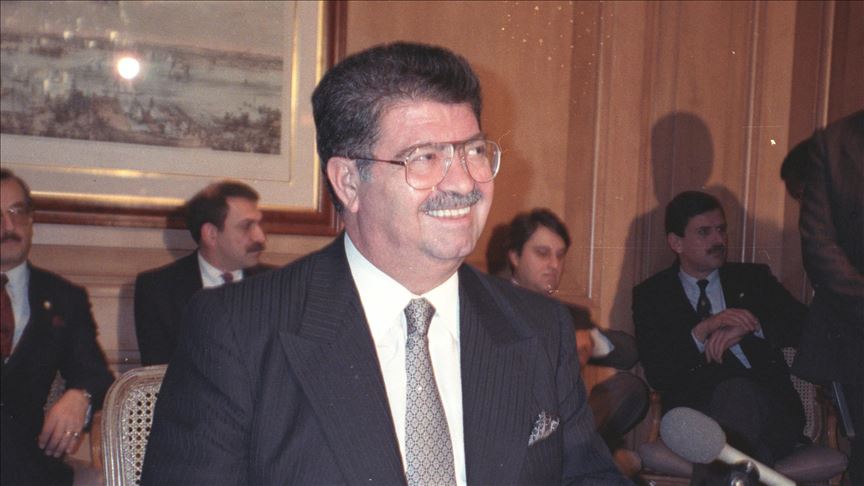
mikephilipsforcongress.com – Turgut Özal, a transformative figure in Turkish politics, served as the 8th President of Turkey from 1989 until his untimely death in 1993. Özal’s presidency came after a period of military rule, and he played a pivotal role in shaping modern Turkey’s political and economic landscape. His tenure marked a shift from the military-dominated politics of the 1980s to a more open and market-oriented government, driven by his vision of economic liberalization, political modernization, and greater integration with the global community. Özal’s leadership was characterized by bold reforms that reshaped Turkey’s economy, but also by challenges related to regional conflicts and social tensions.
Early Life and Political Career
Turgut Özal was born on October 13, 1927, in Malatya, Turkey. He came from a well-educated family, and his early academic interests led him to study electrical engineering at Istanbul Technical University. Following his studies, Özal began his career in the Turkish civil service, working in various governmental positions. His technical background and intellect made him stand out, and in the 1970s, he was appointed as an advisor to the government’s economic planning efforts.
Özal’s most notable early achievement was his role as an economic technocrat. As the Undersecretary of the State Planning Organization in the late 1970s and early 1980s, he played a key role in shaping Turkey’s shift toward a more market-oriented economy. He was one of the leading architects of the economic liberalization policies implemented by the military junta following the 1980 coup. These reforms aimed at reducing the state’s role in the economy, opening up markets, and promoting exports. While the military regime’s leadership was primarily focused on political stabilization, Özal’s economic vision laid the groundwork for the broader changes that would come during his presidency.
Political Rise: From Prime Minister to President
Turgut Özal’s political ascent came in the wake of the military coup of 1980, which ousted the elected government of Süleyman Demirel. The military regime, under Kenan Evren, implemented a period of strict rule, but Özal, who had worked with the junta to implement economic reforms, was seen as a key figure capable of bridging the gap between the military and civilian politics. His reputation as an economic reformer and technocrat made him a suitable candidate for a leadership role in the new political order.
In 1983, Özal founded the Motherland Party (Anavatan Partisi, ANAP) and successfully ran for prime minister, ushering in a new era of civilian governance after the coup. His government, backed by the military, continued the economic liberalization policies that had been started during the junta period. Özal’s administration was marked by an open-door policy for foreign investment, the expansion of the private sector, and the promotion of Turkey’s integration into the global economy. His reforms led to rapid economic growth during the 1980s, a period of substantial transformation for Turkey’s economy, particularly in its export-oriented industrial base.
Özal’s success as prime minister laid the foundation for his election to the presidency in 1989. Despite the influence of the military in Turkish politics during the 1980s, Özal’s popularity among the public and his support from both the political elite and the business community helped him secure the presidency. His election marked a key shift in Turkey’s political direction, as he was one of the first leaders to emerge from a background outside of the military establishment after the 1980 coup.
Özal’s Presidency: Economic Liberalization and Political Change
Turgut Özal’s presidency (1989–1993) was defined by his ongoing commitment to economic liberalization and his pursuit of reforms aimed at modernizing Turkey’s political and social systems. His time in office represented a departure from the military-dominated governance of the 1980s and a move toward greater civilian control, despite the continued influence of the military in politics.
Economic Reforms and Liberalization
Özal’s presidency saw the continuation of his market-oriented economic policies. He pushed forward privatization of state-owned enterprises, promoted foreign investment, and introduced structural reforms that facilitated greater integration into the global economy. The Turkish economy experienced rapid growth during this period, particularly in the industrial and services sectors. Özal encouraged the development of a more robust private sector, which helped reduce the dominance of state-controlled industries in the Turkish economy.
He also pursued liberal trade policies, including reducing tariffs and seeking to open Turkey’s markets to international competition. One of the most significant achievements of his administration was Turkey’s association with the European Economic Community (EEC), which laid the groundwork for the country’s later negotiations for full European Union membership. Özal’s economic vision positioned Turkey as a more outward-facing country, striving for modernization and international competitiveness.
However, despite the success in economic growth, Özal’s reforms also created significant challenges. The privatization of state industries often faced opposition from labor unions and some political factions. While the overall economy grew, wealth inequality increased, and the gap between urban and rural populations widened.
Political and Social Reforms
In addition to his economic policies, Özal implemented various political reforms aimed at democratizing Turkey. He sought to reduce the military’s role in politics, calling for reforms to diminish the military’s influence over the political system. While his efforts at civilian oversight of the military were met with resistance, particularly from the military establishment, Özal did manage to initiate changes that led to a more civilian-led political structure.
Özal also pursued a policy of greater social openness. He encouraged a more active civil society, and his government promoted freedom of expression, allowing for a more diverse media landscape. However, his attempts to introduce a more liberal, democratic atmosphere were limited by the persisting influence of the military and the ongoing Kurdish issue in the southeast of Turkey.
Challenges to Stability
Turgut Özal’s presidency, while marked by economic achievements, was also fraught with significant challenges. One of the most pressing issues during his time in office was the Kurdish separatist conflict. The Kurdistan Workers’ Party (PKK), led by Abdullah Öcalan, waged an armed insurgency against the Turkish state, demanding greater autonomy for the Kurdish people. The conflict led to widespread violence in the southeastern regions of Turkey and created significant social and political tension.
Özal’s government struggled to manage the Kurdish issue, balancing military interventions in the southeast with attempts at political dialogue. His presidency witnessed growing discontent among Turkey’s Kurdish population, and while Özal favored a more conciliatory approach to the Kurdish question, the government continued to use force in response to PKK attacks.
Another challenge to stability came from growing tensions within Turkish society over the pace of social change. While Özal’s economic reforms created prosperity for some, others, particularly in rural areas, felt left behind by his market-driven policies. These tensions led to increased political polarization and challenges from opposition groups, particularly from the secular establishment and left-wing parties.
Turgut Özal’s Legacy
Turgut Özal’s presidency left an indelible mark on Turkey. His economic reforms helped transform Turkey into a more modern, industrialized nation, and his vision of a market-oriented economy paved the way for Turkey’s future economic development. However, his leadership was not without controversy. The rapid pace of liberalization, combined with the challenges of the Kurdish insurgency and social polarization, made his presidency a period of both significant progress and significant struggle.
Özal’s untimely death in 1993, due to a heart attack, left many of his plans unfinished. His legacy is a mix of both admiration for his economic successes and criticism for his handling of internal divisions, particularly the Kurdish conflict. Nevertheless, Turgut Özal is remembered as one of the most influential figures in modern Turkish history, credited with initiating reforms that continue to shape the country’s economy and its place in the global community. His presidency marked the end of the military-dominated era and the beginning of a new chapter in Turkish democracy and economic integration with the world.